


Hi, welcome back! Last week was an intentional break from writing.
Quick about me - I am Shan. I run XANDRO LAB, a longevity science brand in Singapore. I started writing these Sunday notes when I closed my first business. I did not want my XANDRO journey, my second stint at building, to go un-journalled. I write about business, operator notes, marketing and personal stories. Recently, I have also been writing about longevity and what it means to build in this space.
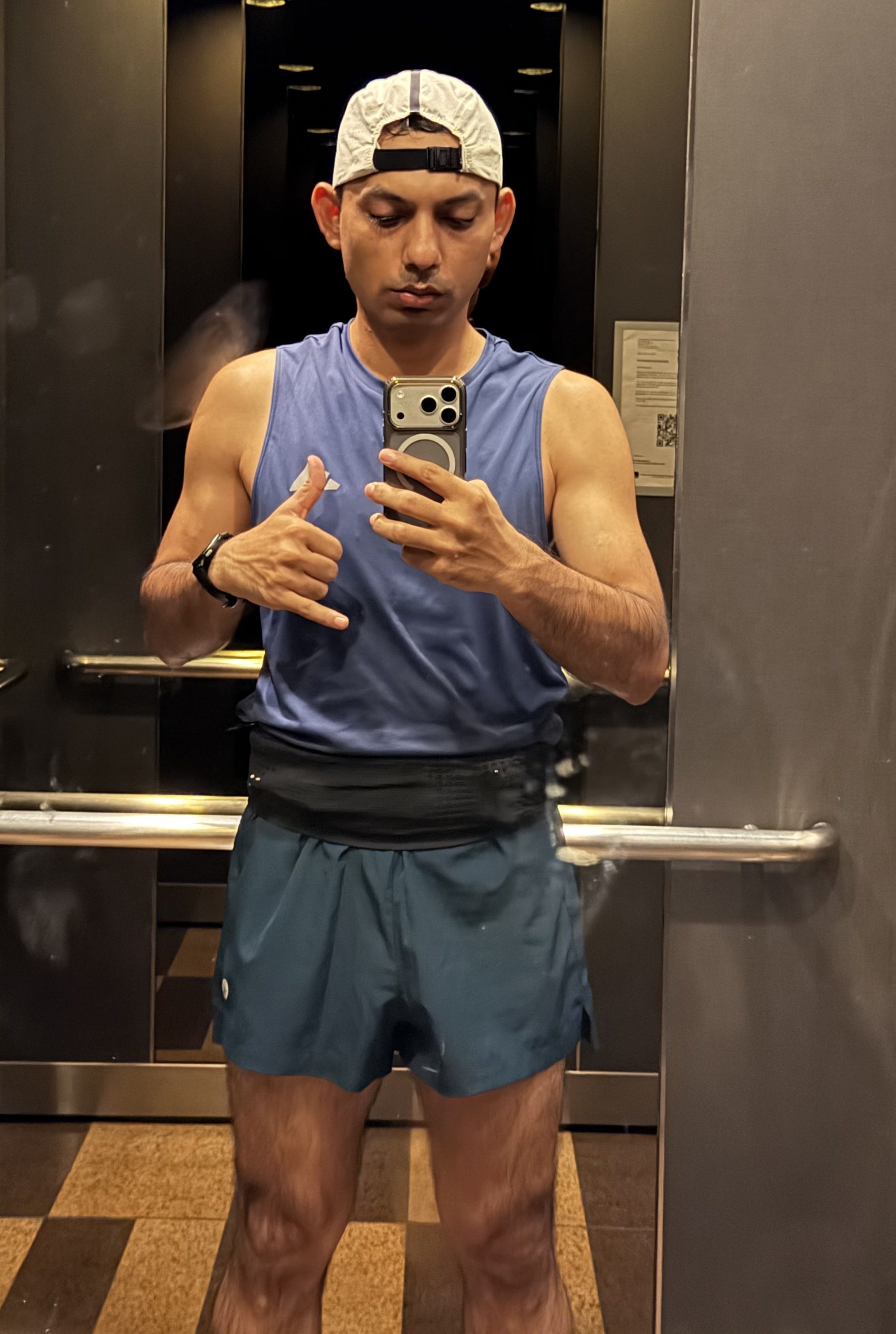
I have been training for my first marathon for the last few months. I do not know if I can call myself a runner yet. But I run a lot more now, and the training has started changing the structure of my life. I wake up earlier. I think more about sleep. I plan weekends around the long run. I have also had to completely rethink food.
More unexpectedly, it has made me think differently about XANDRO.
Today’s read
Fuel
The performance question
Asking instead of guessing
Capacity
1. Fuelling
I used to do intermittent fasting. I started in 2021, and for a long time I called it one of the best productivity hacks. It simplified my morning. No need to think about breakfast. I started my day feeling lighter, focused work for a few hours, and eat later.
Over the same years, I had also become increasingly careful around carbohydrates. Bread was unnecessary. Rice was too much. Biscuits, desserts and pizza came with a huge guilt and regret.
That approach stopped immediately once I started training for the marathon. My weekly mileage moved from 15-20K to 40K+ and sometimes close to 60K. I could not just keep reducing food and assume discipline will solve the rest. I had to eat more. I had to eat breakfast. I had to eat before a run, during it and after it.
Just yesterday, I did a 14K tempo run. I carried a caffeinated gel and took it during the run. I felt strong even after finishing. Today, I did an easy 90-minute run without taking anything, and I felt terrible. It was supposed to be an easier session, but the difference was obvious.
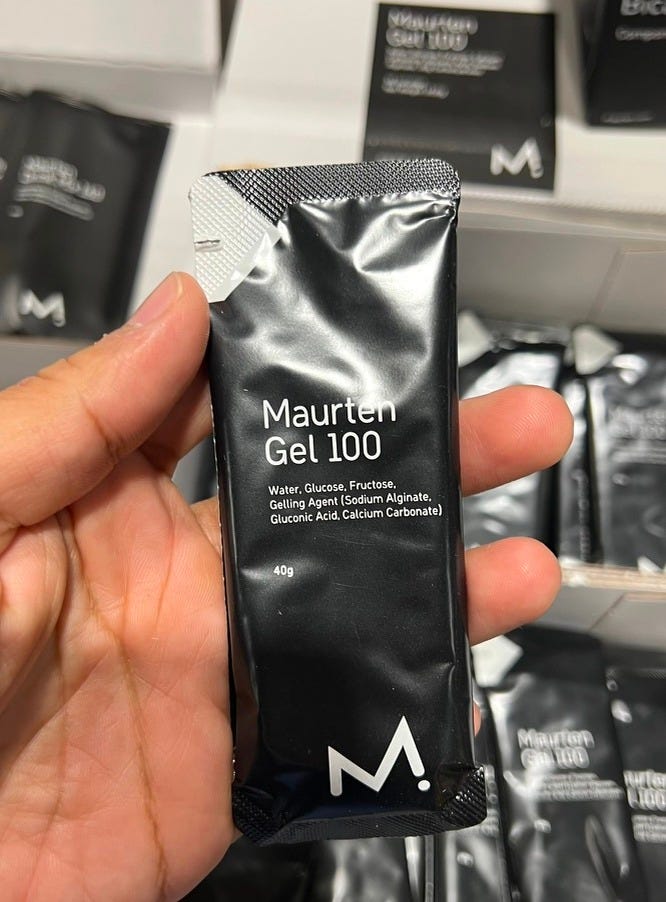
So I am now planning fuelling techniques for my longer runs. Current plan is to take 30 grams of carbohydrates every half an hour. I choose routes with water points (especially East Coast Park and Bedok Reservoir). After the runs, I eat almost a full meal. Yesterday it was red bean bao, chicken bao, and electrolyte water. Today it was two slices of bread, three eggs and coffee.
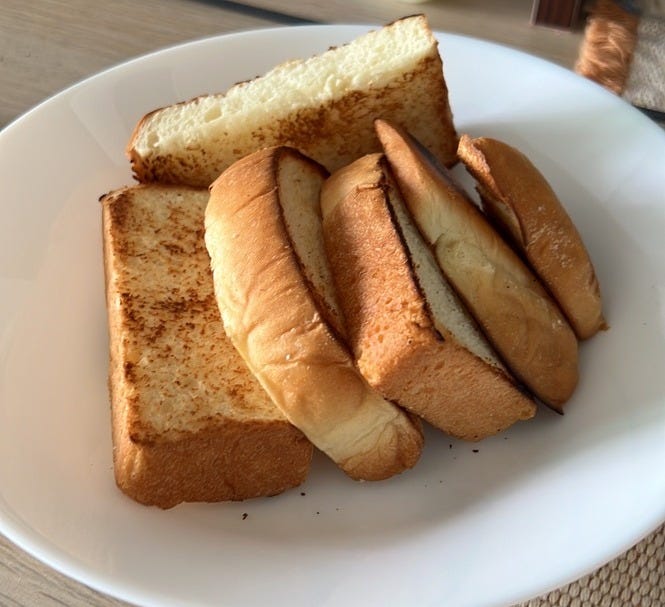
Last year, I would have looked at this and think I was losing discipline. Now, fuelling is part of discipline.
During trainings, I also noticed something slightly uncomfortable. The products that make the immediate difference are food, carbohydrates, gels, caffeine, hydration and electrolytes. Not one of these are XANDRO product. I don’t carry Protocol X during a run. I do not take magnesium before an interval session and expect the next kilometre to get easier.
I take our products during rest of the day. Protocol X around late morning. Omega-3 before or after lunch. Joint Recovery after I come home from training or later in the evening. Magnesium and Sleep On before bed, sometimes together with Joint Recovery. They are part of how I sleep, recover, handle a bigger training load and become ready to do it again tomorrow.
2. The performance question
I wanted XANDRO to belong in the world of performance. I wanted us to be around runners, athletes, strength training, Hyrox and endurance sport. I wanted longevity to feel more active, less like a category only for people worried about ageing, and more like something for people trying to get more out of their body and mind.
That is why sports content came naturally to us. We went to events. We considered sponsorships. We had younger athletes around the brand. I did a few Hyrox races last year and genuinely enjoyed the community around it.
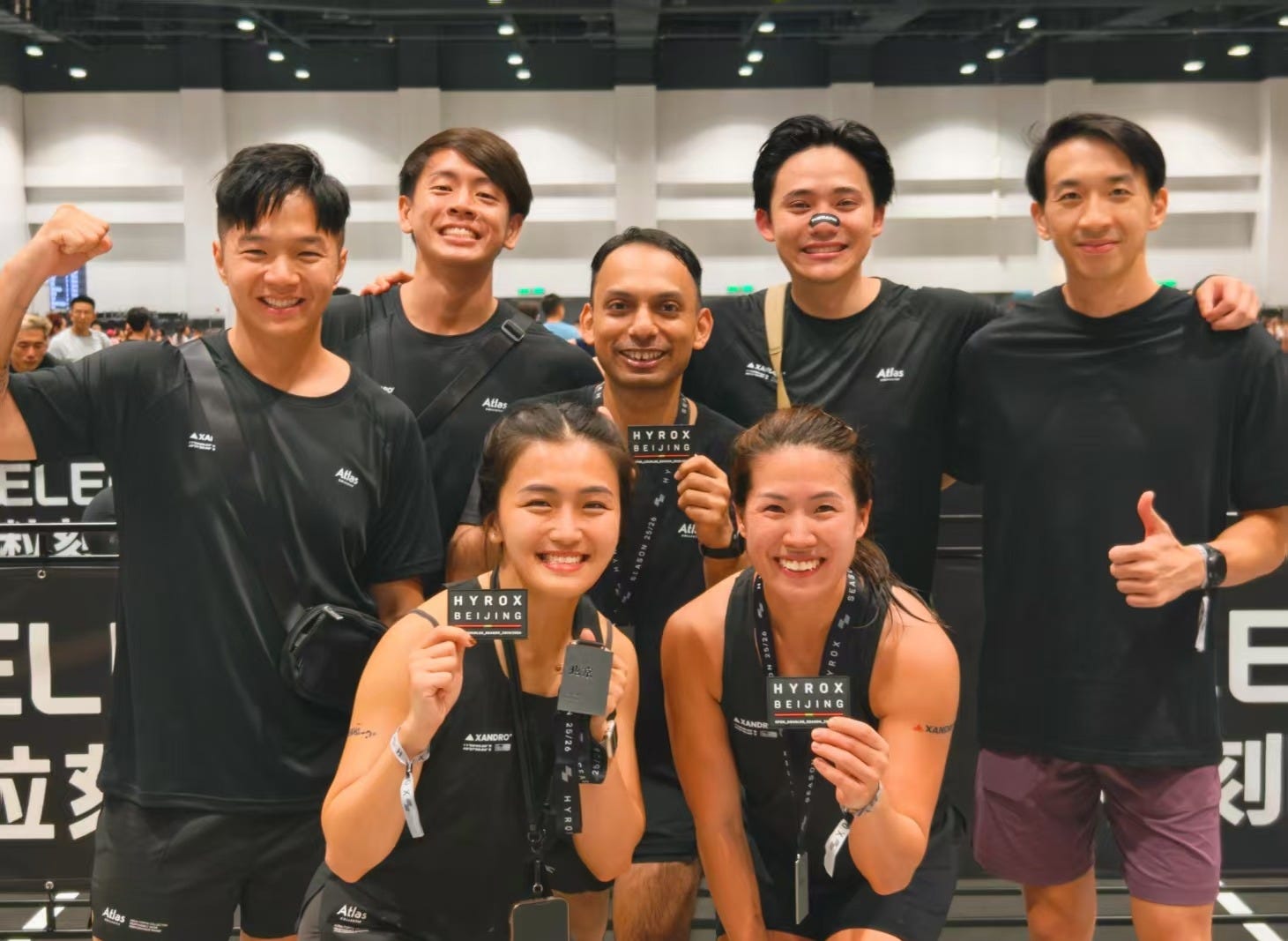
But as the company grew, some questions became harder to avoid. We were spending time in sporting events. There is visual appeal in building around athletes. Yet the actual people spending on the brand were not young athletes. Partners and the team asked, fairly, whether an athlete ambassador made sense. Were these the consumers we were building for? Or were we borrowing the aesthetics of performance before understanding our own consumer properly?
That question also came up whenever we discussed new products. We made an electrolyte product once, but we could not get the taste right. The formula started caking and consumers did not like it, so we stopped before it became a larger issue for the brand. We considered creatine, but there is already enough creatine in the market. It works, but that does not automatically mean XANDRO needs to make another one. We looked at an alternative protein product too, and did not feel convinced enough about the quality to move forward.
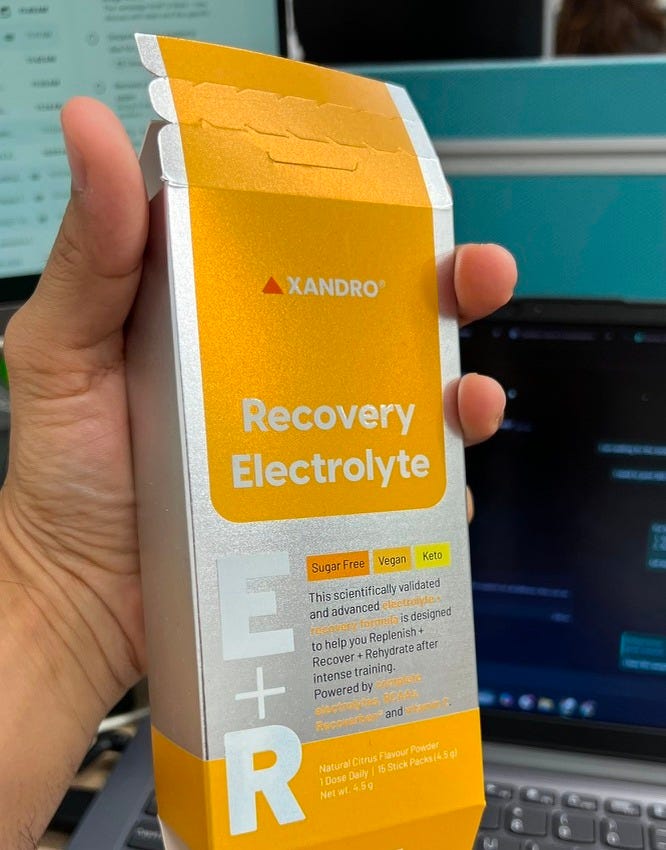
The easier decision would have been to keep launching. Electrolytes, creatine and protein are obvious products for a performance brand. They are understandable, popular and useful. But I did not want us to keep adding products simply because they made our shelf look more complete. We have limited production capacity, limited attention and limited room to get things wrong. More importantly, I did not yet have a clear answer to why XANDRO should make them.
Larger point is - a brand cannot be for everyone. It cannot make everything. At least not in the beginning.
3. Asking the real users
We had been debating the consumer internally for a long time. Then I did something very simple.
In our welcome emails, I asked customers to share a little about themselves. Who are you, and why did you choose XANDRO?
There was no long survey or complicated research project behind it. It was simply a question after someone had trusted us enough to order. Now we receive replies every few days, and I find myself reading them more carefully than almost any dashboard.
One reply came from a school teacher and mother who is trying to sleep better, manage brain fog, get back to a weight she feels comfortable with, go to the gym regularly and run a 10K this year. Another came from a father who bought our omega-3 product for his daughter before she left to study overseas. He was thinking about focus, stress and the demands of a difficult degree.
There was also a strength athlete and personal trainer returning from a knee injury, trying to get back to competing. Another customer wrote about a stressful job, poor sleep, hair loss, weight gain and brain fog, with the possibility of early perimenopause. There was an older couple trying to reduce unexpected pain and illness as they age. Someone else had a much simpler goal: a fitter self with fewer aches and pains.
They are not one narrow consumer group. They are not all runners. They are not all athletes. They do not even use our products for the same reason.
But the replies point towards a similar ambition. They want enough physical and mental capacity to work, train, study, sleep, recover and keep doing the things that matter to them. The strength athlete wants to return to competition. The teacher wants to train and run a 10K. The student needs to cope with a demanding new environment. The older couple wants to remain mobile and avoid a life that gets smaller because of pain.
This is also why I increasingly think professional performance matters as much as physical performance. At a marathon, perhaps only a tiny number of participants are full-time athletes. Most are nine-to-five workers who have trained around jobs, families, travel, tiredness, deadlines and sleep. Their performance is not only the race. It is getting through the week and still being able to run on Sunday.
4. Capacity
I think we have used the word performance too loosely.
There is acute performance. This is what helps you in the immediate moment. A gel during a long run. Carbohydrates before a difficult session. Caffeine when you need the lift. Electrolytes, water and food. These things are not complicated, but they matter enormously when the body needs output now.
There is also recovery and readiness. Sleeping properly. Repairing after a heavier training block. Reducing the chances of injury. Falling sick less. Being able to train again, rather than having one good session followed by three bad days.
Then there is long-term capacity. The ability to keep working, thinking, moving, training and ageing without gradually losing the ability to do these things. I think this is closer to where XANDRO sits today.
We have called ourselves high-performance nutrition company. I do not think that is right. Our products may support performance, but they do not create the immediate performance boost in the way a gel, food or caffeine does. They are more about helping people sustain the conditions that allow performance to happen repeatedly.

That does not mean I no longer want us to go deeper into sport. I do. I am interested in products that work immediately, and I am equally interested in how people continue performing well for longer. How a runner, triathlete, strength athlete or any serious everyday athlete can remain capable into their forties and fifties, rather than treating their body as something to spend in their twenties and thirties.
We are still working on Biocap as an idea and approach, but capacity is perhaps the word I have been looking for. It is more useful to me than longevity on its own, and more accurate than the immediate version of performance I had in mind earlier.
I started this year wanting XANDRO to be closer to performance. I still do. But I think I understand a little better now what role we can play in that journey. We may not be the fuel in someone’s pocket during a race. We may be part of the capacity that lets them keep showing up for the next one.
Closing notes
When we start 3 years ago, I was afraid to use the word “longevity”. I was worried consumers will call us “fraud”. I grew comfortable with the word as I learnt and discovered more. Today, the word has become such a big buzzword, that I am drifting away from it. Everyone and anyone is trying to use “longevity” in their business definition. I instead want to deliver a tangible value to consumers. That’s what this whole struggle of brand communications is.
I will send you the next note 2 weeks later. Next week I at Bangkok Vitafoods, and will take the weekend to run and explore the city.
Cheers,
Shan