


Hi, I’m Shan. I run Xandro Lab, a longevity science brand in Singapore. I started writing these Sunday notes when I closed my first business. I didn’t want my Xandro journey, my second stint at building, to go un-journalled. I share about business, operator notes, marketing and my own personal stories here. I also wanted to write about culture but haven’t been able to do so.
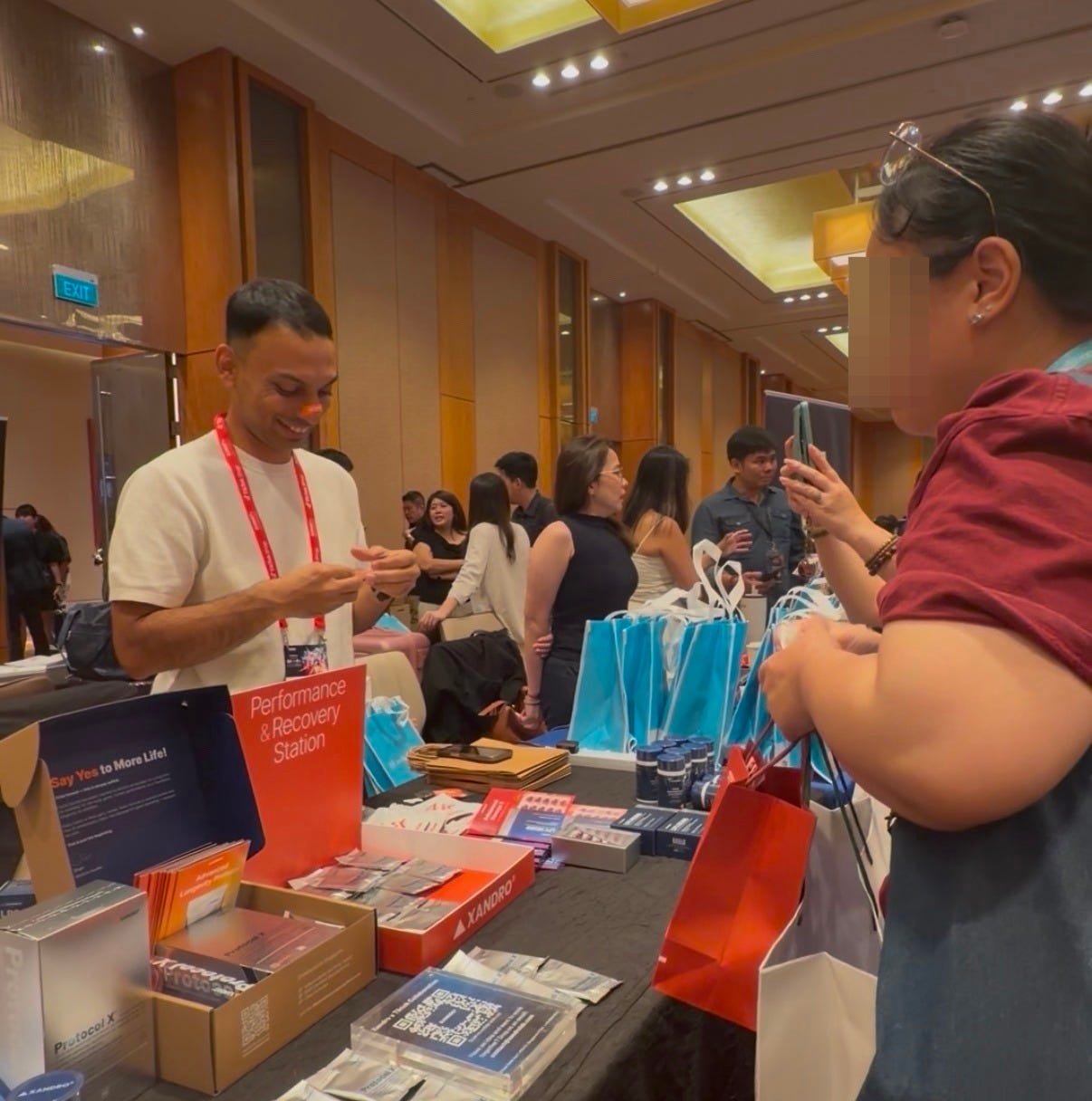
For the past one year, you will see me focusing on topics I come across as an business operator in longevity space. Today’s note is the paradox in this space.
Today’s read
The fitness paradox
When eating well makes life smaller
The price of living longer
The more we know, the more we manage
Is balance even possible?
Let’s get started.
1. The fitness paradox
One of the biggest changes since getting into longevity is that I have become far more serious about fitness. I used to exercise before, but it was not such an important part of how I planned my week or met people. Now I run regularly, have trained for Hyrox, do strength work, and I am preparing for a marathon.
Fitness has also changed my social life. More of my interactions now happen around running, races and training, rather than only food, drinks or going somewhere. Running itself is mostly individual, although run clubs and races make it communal. Cycling seems even more social because people ride in groups.
This is obviously positive. I am fitter, I can do more, and I spend time with people who also want to remain active. The problem is that almost everyone who takes fitness seriously seems to have an injury story. Runners have knee, hamstring or ankle issues. People lifting weights have shoulder or back problems. Some recover quickly. Others carry the same injury for years. I have noticed this more during the marathon training. As the volume increased, there is more soreness, fatigue and recovery to manage.
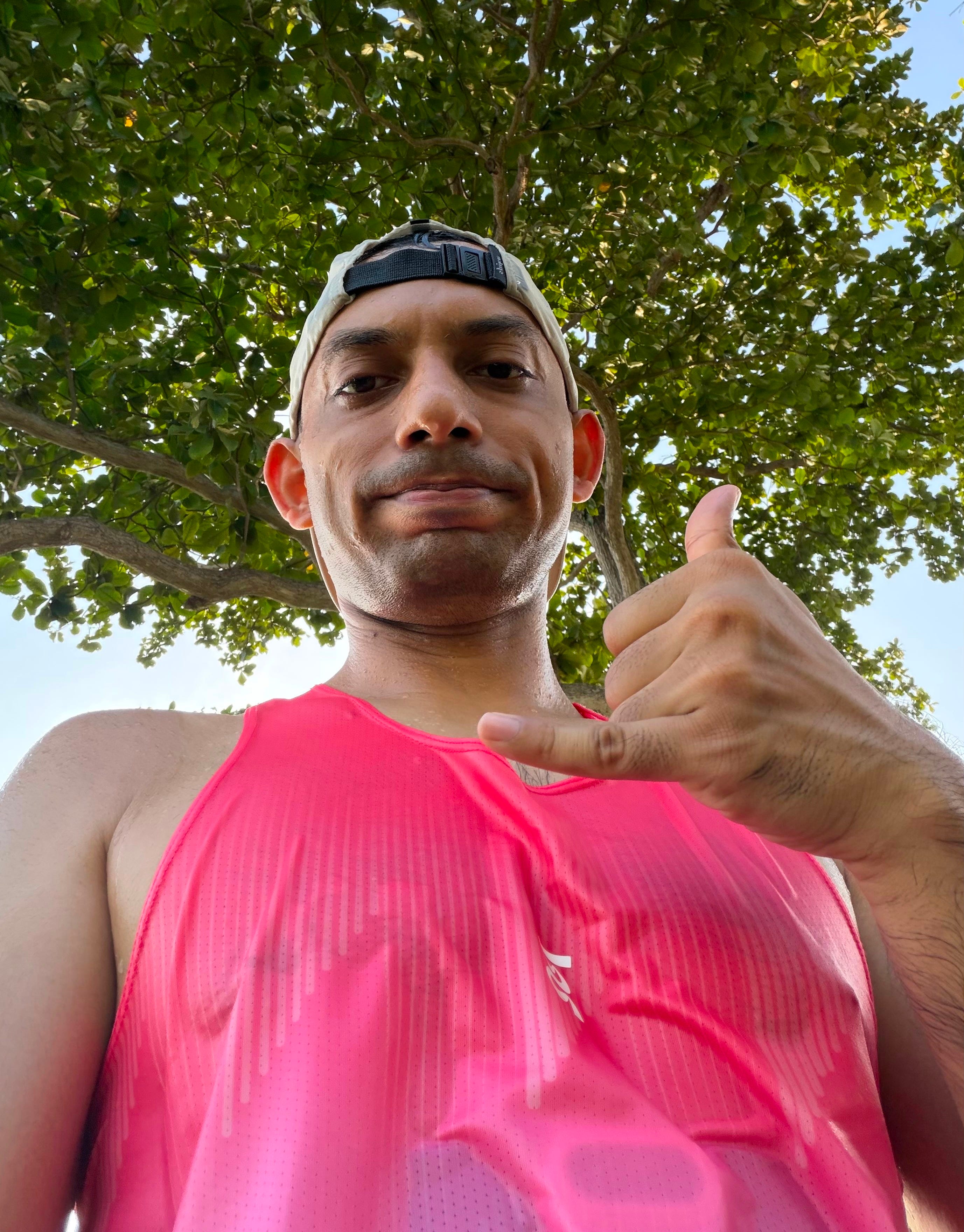
This is where the paradox begins. Exercise is one of the clearest things we can do for a longer and healthier life, but the same activity can also damage the body. Training requires stress because without stress there is no adaptation. Individuals also become more competitive - faster running pace, lower heart rate, longer distance, heavier weights and so on. Pain/injury becomes something to overcome instead of something to understand.
At an older age, the consequences can be much worse. An injury can reduce movement, confidence and independence, and sometimes the person never fully returns to past capabilities. I have seen this in my own family as well.
So perhaps the goal is not to remain completely injury-free, because that may not even be realistic. It is to avoid the injuries that permanently reduce our ability to participate.
2. The food paradox
Food is another area where longevity creates rules/barriers. Once you learn more about health, it becomes difficult to eat without thinking about protein, fibre, sugar, type of olive oil, meal timing and how processed the food is. Some follow intermittent fasting. Some stop drinking alcohol and avoid late-night meals. Some resort to becoming vegan.
But food is not only nutrition. It is also one of the main ways people spend time together. Families meet over meals. Friends plan dinners. Weddings, birthdays, festivals and travel are all connected to food. Even work relationships are often built over lunch or coffee. The meal may not always be healthy, but the experience can still be valuable.
The stricter the rules become, the harder it is to participate without thinking about them. Someone practising intermittent fasting may miss breakfasts or late dinners. Someone avoiding alcohol can still attend, but many events may be organised around drinking. Every rule creates some cost in convenience, spontaneity or the ability to join without needing others to adjust.
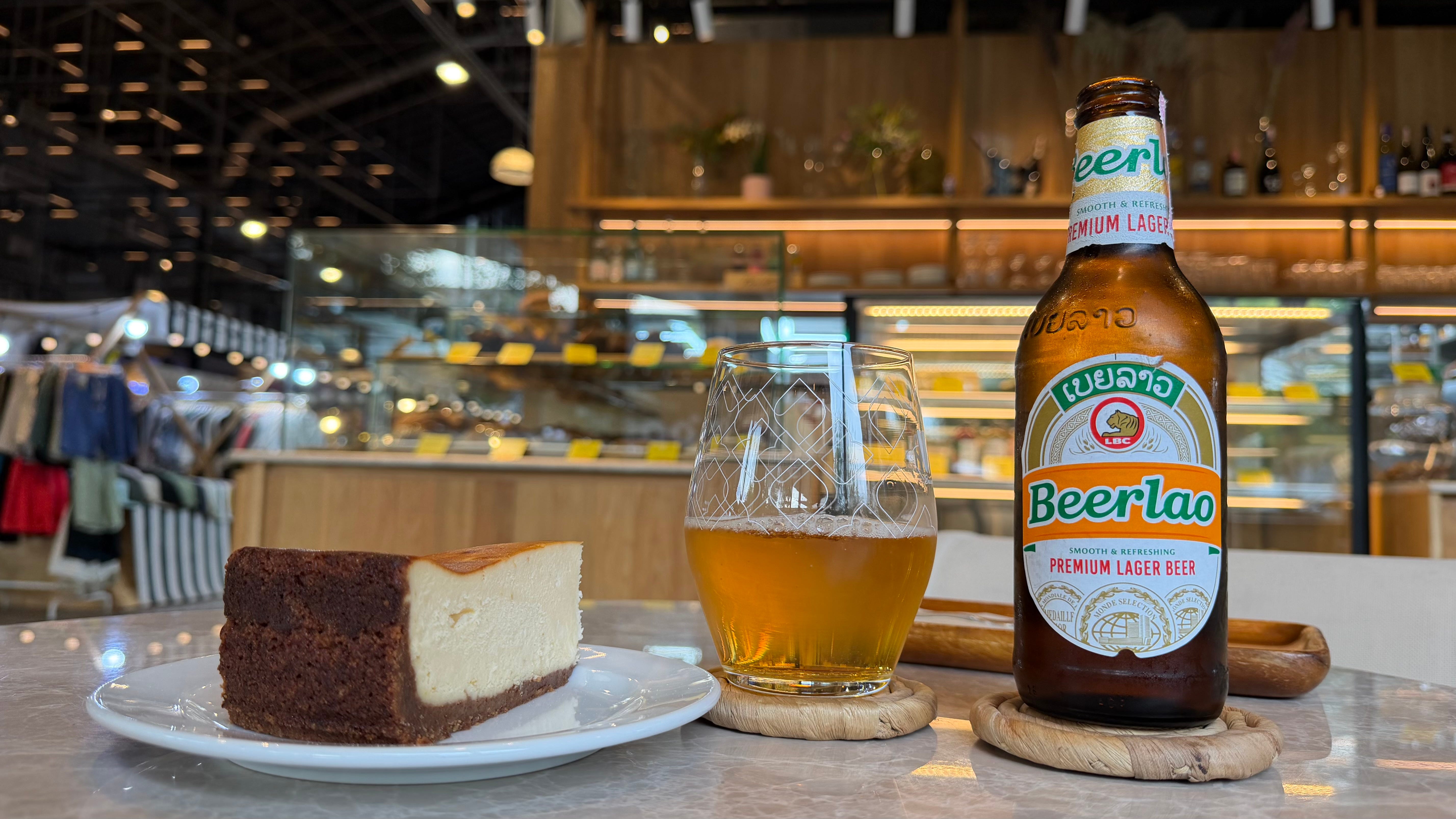
At the same time, health can become a useful filter. We may spend less time with people whose social lives revolve around drinking or late nights, and more time with people who train, sleep early and eat similarly. That can be positive, but if we can only spend time comfortably with people who live exactly like us, then the circle becomes small.
Social connection and belonging are part of living well. It would be strange to protect every biological marker while losing the people and experiences that make the extra years valuable.
3. The price of longevity
There is a basic version of healthy living that does not need to be very expensive. Walking, running, sleeping properly, eating reasonably well and basic strength training are accessible to many people. But once someone enters the longevity space, there are new layers available.
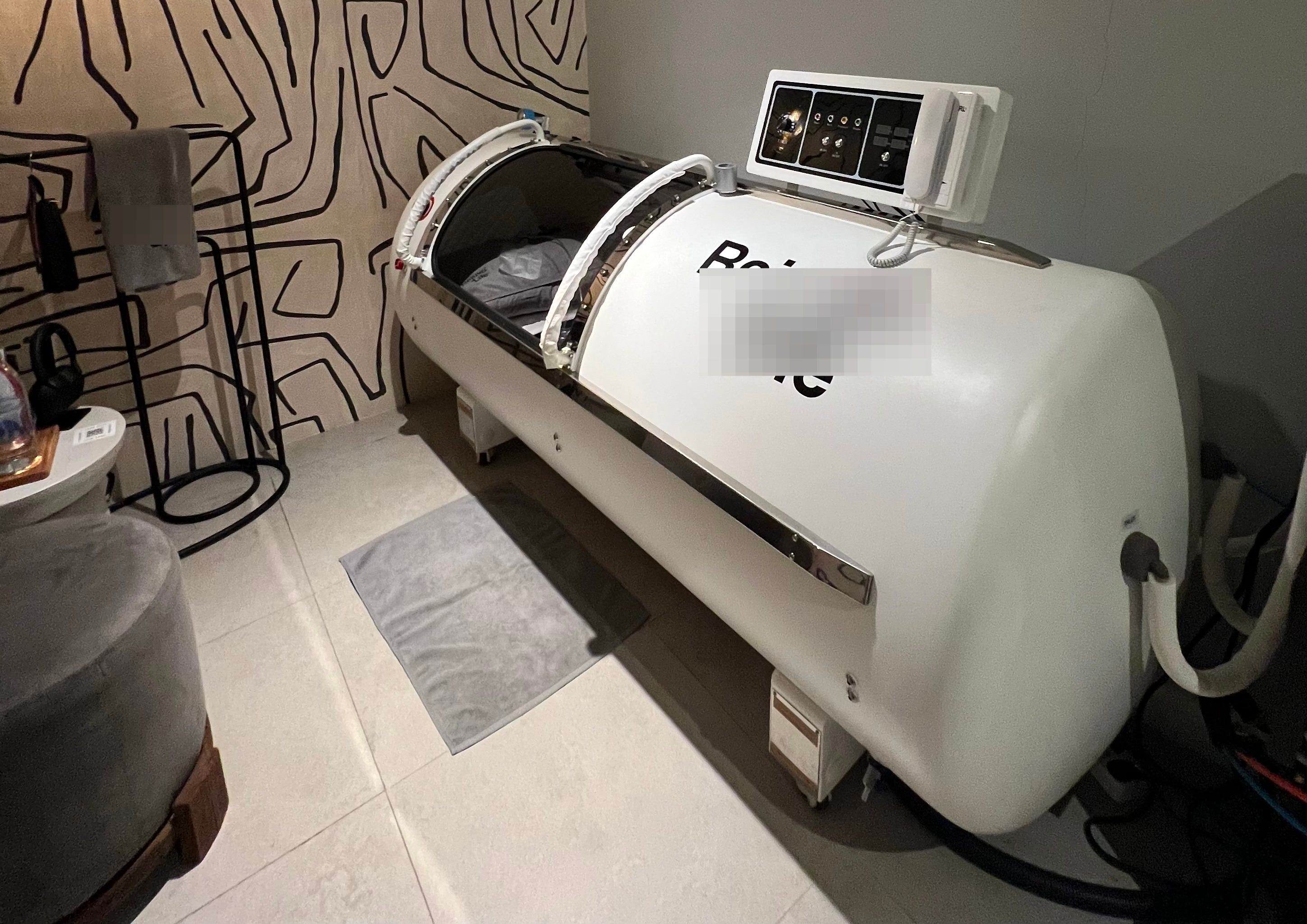
There are biomarker panels that cost 1000-2000 dollars, clinics selling programmes that cost USD 10K or more, and then scans, glucose monitors, red-light therapy, hyperbaric oxygen therapy and supplement protocols. Some may be useful, but together they can make longevity look unaffordable.
People buy these services not because they enjoy optimisation. They are afraid of becoming sick, losing mobility or becoming dependent on others. If someone says a test may identify a future risk, it becomes difficult to ignore. Longevity businesses are ultimately selling some sense of control over things that have traditionally felt uncontrollable.
Here comes the contradiction. To afford this version of longevity, most people need to earn more. Earning more often means working harder, sleeping less and carrying more stress. People work hard enough to afford an optimisation health plan and then need the plan partly because of how hard they are working. Strange, right?
I see some version of this in my own life. Running a longevity company does not automatically make the process healthy. There are periods when the stress of building is possibly the biggest health hazard, even while the business itself creates products meant to improve health.
This raises the question of who longevity really belongs to. Is it for everyone, or is it becoming a premium category for people who can afford to test everything and intervene early? The most important things are still the simplest ones - movement, sleep, quality nutrition, and healthy relationships.
4. The more we know
The more I learn about health, the more I find things that need to be managed. Sleep becomes duration, consistency and recovery. Exercise becomes strength, Zone 2 runs, intervals and mobility. Eating becomes protein, fibre, glucose and timing. Then there is sunlight, alcohol, air quality, body composition and a growing number of biomarkers (anywhere from 100 to 500 biomarkers are tested now).
Technology makes this easier and harder at the same time. A watch can tell us how we slept and whether we recovered. A glucose monitor can show what happened after a meal. A blood test can identify something we would not otherwise notice. This information can be useful when it leads to a clear decision.
But it can also begin to control how someone feels. A bad recovery score can change the mood before the person has left the bed. A slightly unusual blood marker can create weeks of anxiety. Exercise can stop being about how the body feels because the watch has already decided whether the session was productive.
I am not against measurement. We are building a longevity company, and I think measurement will become a much bigger part of preventive health. But every measurement should ideally answer a question or lead to an action. Otherwise, it becomes another number occupying mental space. Knowledge needs a filter, or longevity can slowly turn from preventive health into preventive anxiety.
5. Where is the balance?
Balance is the obvious answer to every paradox in this note. Exercise, but do not overtrain. Eat well, but enjoy social occasions. Test your health, but do not obsess over every number. Spend on health, but do not create financial stress. It all sounds sensible.
The problem is that balance is much easier to describe than to practise. There is no universal point where exercise becomes too much, eating becomes too strict or testing becomes excessive. The answer depends on age, health, money, ambition and what else is happening in life. A person preparing for a marathon will accept more fatigue and a higher risk of injury. Someone recovering from surgery will need the opposite.
Balance also keeps changing. What worked for me before marathon training will not work during the highest-volume weeks. I had to quit my 6 year routine of intermittent fasting when I started the training. So balance may not be a fixed position that we discover and maintain. It may be something we keep adjusting as life changes.
Perhaps the better question is whether what we are doing is expanding or shrinking our future capacity. Is this training making it more likely that I can continue running later, or am I repeatedly ignoring an injury? Is this food rule improving my health without damaging my relationship with food and people? Is this test likely to change a decision, or is it only creating another concern?
Every choice carries a cost. Hard training costs recovery. Strict eating costs flexibility. More information costs mental space. Advanced healthcare costs money. The goal may not be to remove these costs. It may be to understand what we are paying and whether the benefit is worth it.
Closing notes
I do not have a solution to these paradoxes, and that is possibly why I wanted to write about them. The deeper I go into longevity, the less I believe there is one ideal way to live. Exercise can strengthen us and injure us. Food can nourish us and isolate us. Knowledge can protect us and make us anxious. Money can buy better healthcare and require a lifestyle that damages health.
What I have started believing is that longevity should make life larger. It should allow us to move more, experience more, build stronger relationships and remain independent for longer. If longevity makes someone afraid of food, afraid of missing a workout, afraid of every test result or unable to participate in normal social life, then something has probably gone wrong.
At the same time, living without any rules is also not freedom. Ignoring sleep, eating badly, never exercising and refusing to understand our health will eventually reduce our choices. Many of the freedoms we enjoy when we are younger are possibly being borrowed from the body we will have later.
I will continue training, eating carefully, testing my health and experimenting with things that may help me perform and recover better. I will also continue getting some of these decisions wrong, and then I will have to adjust again. Perhaps that is the closest thing to balance I can find right now: paying attention, understanding the trade-offs and remaining willing to change.
Longevity cannot only be about adding years or optimising every biological marker. It also has to preserve the reasons we want those years in the first place.
Thanks for reading today! See you next Sunday!
Cheers,
Shan
The paradox of longevity: chasing vitality shouldn't cost you your peace of mind or your humanity. This is essential reading for anyone building wellness into hospitality!!