


I’m Shan. Co-founder and CEO of Xandro Lab, a longevity science company based in Singapore. Before this, I spent close to a decade in e-commerce across India and the Middle East, running large businesses inside large organisations. Three years ago, I made a different bet. A new company. A harder problem. A space that most people were still figuring out how to spell.
That space was longevity.
I’m also a mid-30s guy. Athletic, reasonably healthy, obsessed with biomarkers and recovery. Tbh I’ve never been a caregiver. I haven’t been with my parents through their older years the way I should have. That sits with me. Building for people in their 60s and 70s, while having no lived experience of that reality, frightens me a little every single day.
But maybe that’s exactly why I need to do this. Maybe this is my way of doing something meaningful for a generation I wasn’t fully present for.
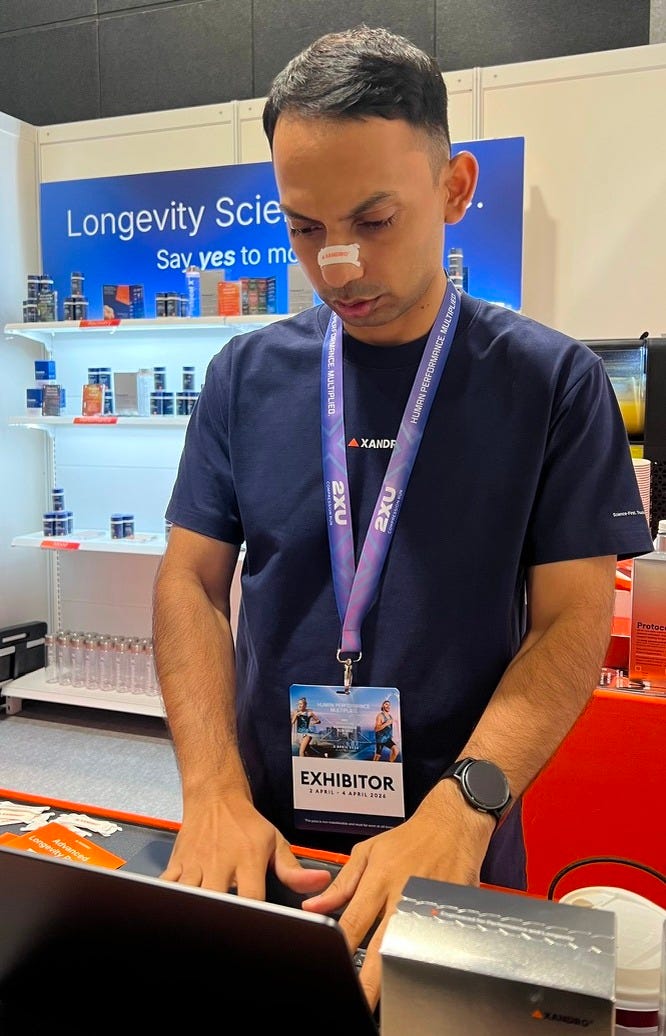
Today I’m starting a series on the longevity ecosystem in Singapore. What I see, on the ground, as someone who is operating, selling, and competing inside it every day.
Welcome to part 1.
In this post
How to think about the ecosystem
Diagnostics — advanced but fragmented
What people actually worry about
Interventions — easy vs hard
Who is building here
The gaps nobody is filling
Singapore as a testing ground, not the end market
#1 How to think about the ecosystem
Before jumping into names and categories, it helps to have a mental map.
The longevity ecosystem, at least how I think about it, breaks into three core layers.
Diagnostics. What can you measure? What signals does your body give you, and how do you capture them?
Concerns. What are people actually trying to solve? What pain, fear, or aspiration is driving them to act?
Interventions. What do people do about it? What are the tools, products, and protocols that sit between a problem and an outcome?
And then there is a fourth layer sitting on top of all three: platforms. The brands, clinics, apps, and companies that package one or more of these layers into something a person can actually access.
This is not a perfect framework. But it gives you a way to look at the space without getting lost in the noise.
Every player in this ecosystem is operating in at least one of these layers. The most interesting ones are trying to connect two or three.
#2 Diagnostics are advanced but fragmented
Singapore’s diagnostics infrastructure is, tbh, pretty good on paper.
You have DEXA scans for body composition and bone density. Blood testing is widely accessible and reasonably affordable. Urine and stool testing covers gut and metabolic signals. MRI scans exist. DNA testing companies have set up here. Wearables give you real-time heuristic data continuously.
But here’s what actually bothers me.
The infrastructure exists, but it doesn’t talk to itself. You do a DEXA scan at one place, a blood panel at another, a gut test through a third provider, and nobody is synthesising that into a single picture of you. The data lives in silos. The actionability is low.
A few specific gaps worth calling out.
Omega-3 index testing is still not easily available in Singapore. For a country where fish consumption is high and omega-3 supplementation is one of the most widely recommended interventions in the longevity space, this is a surprising blind spot. We sell a lot of omega-3 at Xandro, and not a single customer has ever come to us with an actual omega-3 index test result.
Advanced biomarker panels exist but are scattered. Different clinics run different panels, use different labs, apply different reference ranges. There is no standard. If you’re serious about tracking your biology over time, you’re largely on your own trying to stitch things together. Consumer awareness on longevity biomarker panel is weak as well.
DNA testing is the most overhyped layer right now. There are two meaningful players locally, Nalagenetics and CircleDNA by Prenetics (IM8 parent company). The actionability gap is wide. People get their results, find it interesting, and then have no clear idea what to actually do differently. “Nice to know” versus “must act” is not the same thing, and right now most DNA insights fall into the first bucket. In fact, we retail one of the DNA tests, and have not been able to market it well.
The opportunity is not more diagnostics. It is integrated, actionable diagnostics.
#3 What people actually worry about
This is where I want to be direct - nobody wakes up thinking about longevity.
They wake up thinking about their weight. Their energy levels. Why they feel foggy by 3pm. Why their knees hurt. Why they’re not sleeping well. Why their libido has quietly dropped. Why their father doesn’t recognise them anymore.
These are the real concerns driving the longevity market - the lived experience. Let me walk through what I actually see people caring about.
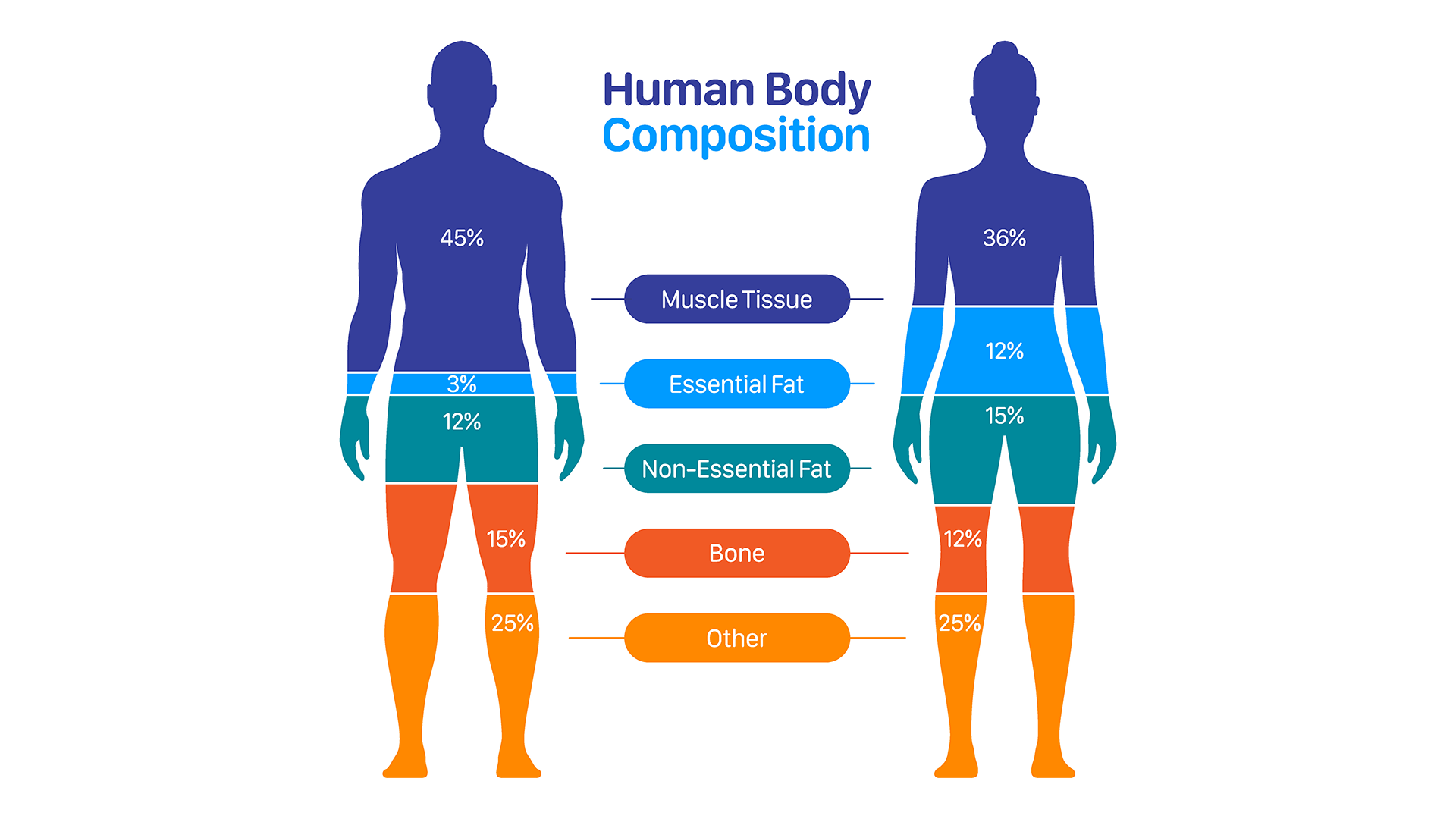
Weight and body composition sits at the top. It always has. And fwiw, solving for body composition probably solves 40 to 50% of everything else downstream. Energy, inflammation, metabolic health, joint load, mood. Weight is the master lever that too many longevity conversations skip past because it feels too obvious.
Energy and brain fog is the second biggest driver, especially for people in their 40s and 50s. NAD+ has absorbed a huge amount of this conversation, and every year the hype around it grows. There’s real science behind it. There’s also a lot of noise.
Muscle strength and physical independence is growing fast as a concern, especially as people start to genuinely understand that muscle is the organ of longevity. I walked around East Coast Park recently and saw people in their 60s and 70s who were muscular. That’s intention. Those people will age very differently.
Alzheimer’s and dementia sits in the background of almost every serious longevity conversation. It’s not an immediate action driver for most people, but it’s the fear underneath. The “what if” that motivates a lot of quiet behaviour change.
Menopause for women and andropause for men are large, underserved, and often still spoken about in hushed tones. Testosterone levels shape how men feel, perform, and recover from their 30s onwards. This is not a fringe concern. It’s a mainstream one that mainstream healthcare still handles poorly.
Joint pain is enormous in Singapore specifically. Osteoarthritis is one thing. But gout in particular is disproportionately common here. The pain is unbearable when it hits and the demand for solutions is very real.
Sleep rounds out the list. Almost everyone has some version of a sleep problem. It sits at the intersection of stress, hormones, environment, and lifestyle. And poor sleep makes everything else worse.

There’s one more observation I want to make here. Singapore is about to become a super-ageing nation. By 2030, nearly one in four residents will be above 65. The concerns I’ve just described are not future concerns. The market is already here.
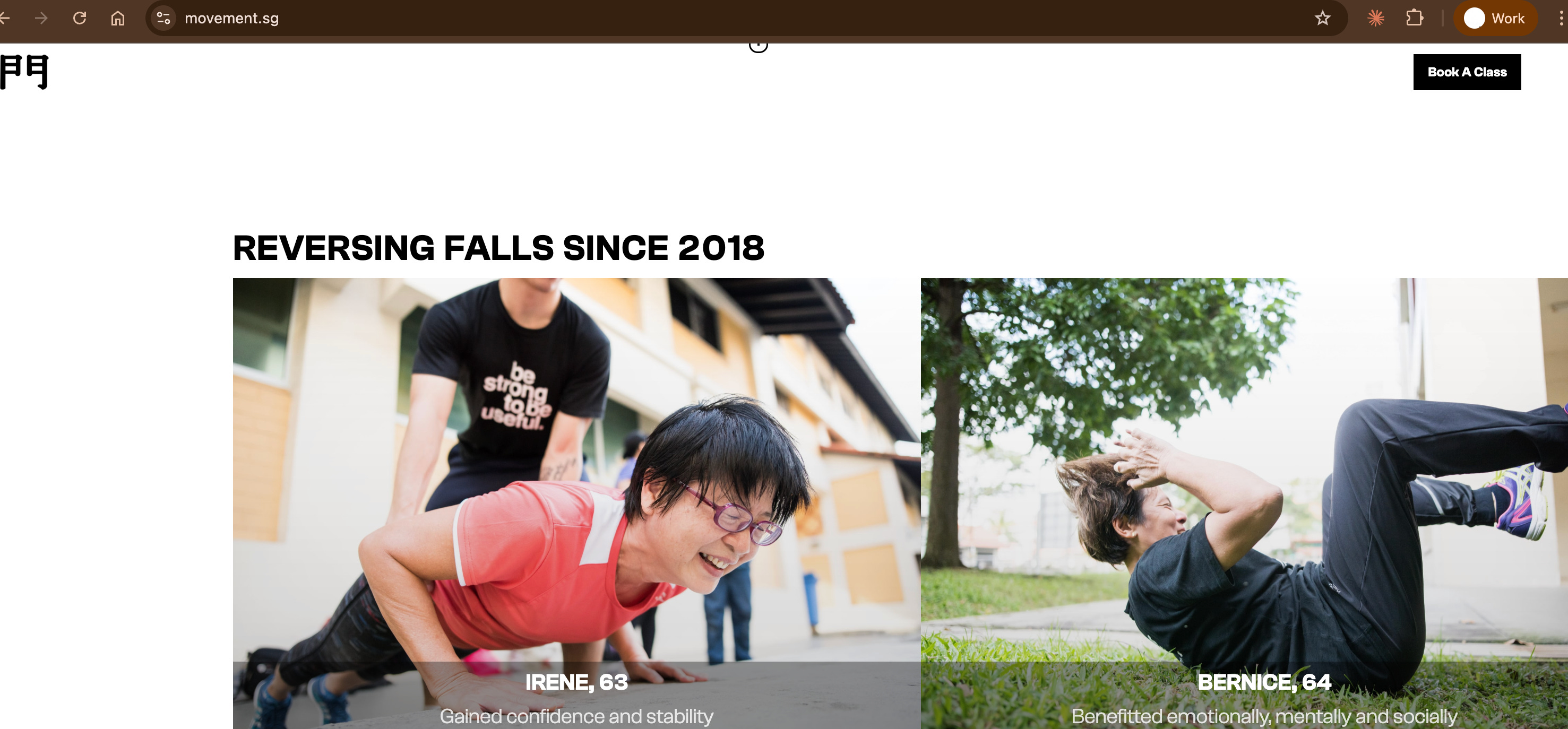
Something I didn’t expect to see but genuinely love: senior parkour groups are starting to appear. Older adults training specifically to handle falls with balance, strength, and grace, rather than avoiding movement altogether.
#4 Interventions. Easy vs hard
If you want to understand why supplements dominate the longevity space, the answer is simple - they are frictionless.
You don’t need a prescription or a doctor’s visit. You don’t need to changeyour diet, or your routine significantly. You order online or walk into a pharmacy, and you start. That accessibility explains why supplements won the first wave of consumer longevity.
Training culture in Singapore is stronger than most people assume. Walk Marina Bay at 7pm, East Coast Park on a weekend, or any heartland park on a weekday evening and you will see people moving across every age group. Running is embedded in daily life here. Commercial gym culture has matured fast too. CrossFit boxes and boutique studios are in plenty. In a BFT class I attended recently, the majority of people training around me were in their 40s and 50s.
The gap is not participation. It is the design. Most gym programming is still built around aesthetics, and the education layer is thin. Women in their 40s and 50s largely don’t know what body fat percentage they should be targeting for their age. That information is not coming from their gyms. It’s not in government health materials either. Personal training exists but at SGD 70 per session at the lower end, the math doesn’t work for most people trying to train consistently.
Drugs are where things get complicated.
Metformin and rapamycin are getting attention in longevity circles globally, and that conversation is starting to reach Singapore. But both require a doctor’s guidance, both carry genuine risks if misused, and access is controlled. They are not everyday consumer products.
Peptides are a different story. There is a grey market for peptides in Singapore, with a lot of sourcing happening through unregulated channels, often from China. The science behind some peptides is interesting. The sourcing and quality control around them is, however, concerning. This is an area to watch but not one to romanticise.
Doctor-guided longevity is one of the fastest growing segments I’m seeing right now. More physicians want to be in this space. The aging population is creating real demand. The economics for a well-positioned longevity clinic are attractive. And the consumer is increasingly willing to pay for personalised guidance rather than generic advice.
TCM sits quietly alongside all of this and shouldn’t be underestimated. It has deep cultural roots in Singapore, strong practitioner infrastructure, and a loyal patient base that doesn’t necessarily engage with Western longevity frameworks but is pursuing very similar outcomes through a different lens.
#5 Who is building here
Let me map the major categories and give you my honest read on each.
Consumer supplement brands
The main players I’m aware of: Xandro Lab, For Youth, AVEA, Elivity. Each is taking a slightly different positioning approach. Supplements are the most commercially mature category in the consumer longevity space right now. Product is accessible, margins are workable, and consumer education is improving.
There is a clear gap in longevity-focused food and everyday nutrition beyond protein powders, bars and food. Someone will fill this. It just hasn’t happened yet.
Longevity clinics
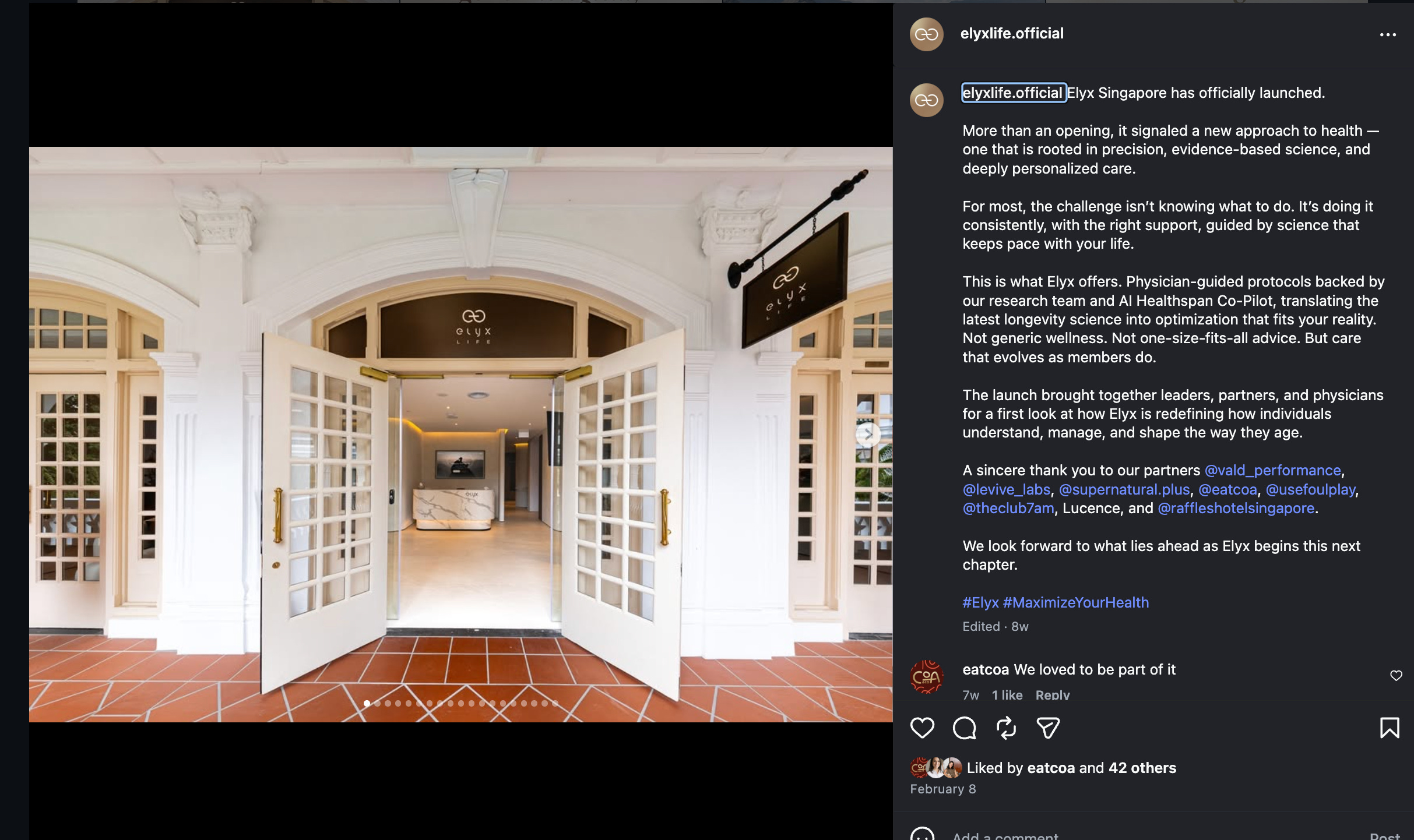
Elyx, Chi Longevity, TSquared, Matter, Morrow, Eternami are the names I see. All are growing. None are at scale yet. The economics are still being worked out. The value proposition varies a lot by clinic. But the tailwind is real, and the consumer appetite for this kind of offering is building.
Diagnostics chains
Innoquest is the dominant infrastructure player. Consolidation has already happened in this space. Diagnostics is essential, but it is infrastructure. It is not, by itself, a consumer moat.
DNA companies
Nalagenetics and CircleDNA. High interest, genuine science, but the actionability gap is still wide. This category will matter more as the interventions that connect to DNA insights become clearer.
Gut health
Amili is doing genuinely strong scientific work in this space. It remains niche for mass consumers. The science-to-consumer bridge hasn’t fully been built yet.
Recovery and lifestyle spaces
Saunas, cold plunges, contrast therapy. These are popular, especially with younger and more affluent users. But they are not yet integrated into a true longevity pathway. They’re wellness-adjacent, not longevity-core. At least not yet.
Longevity fitness centres
Almost non-existent. Clinics are awkwardly trying to fill this role. The economics don’t quite work. The positioning is unclear. But the white space is real. Someone with the right model will figure this out.
#6 The gaps nobody is filling
This is the part I think about the most.
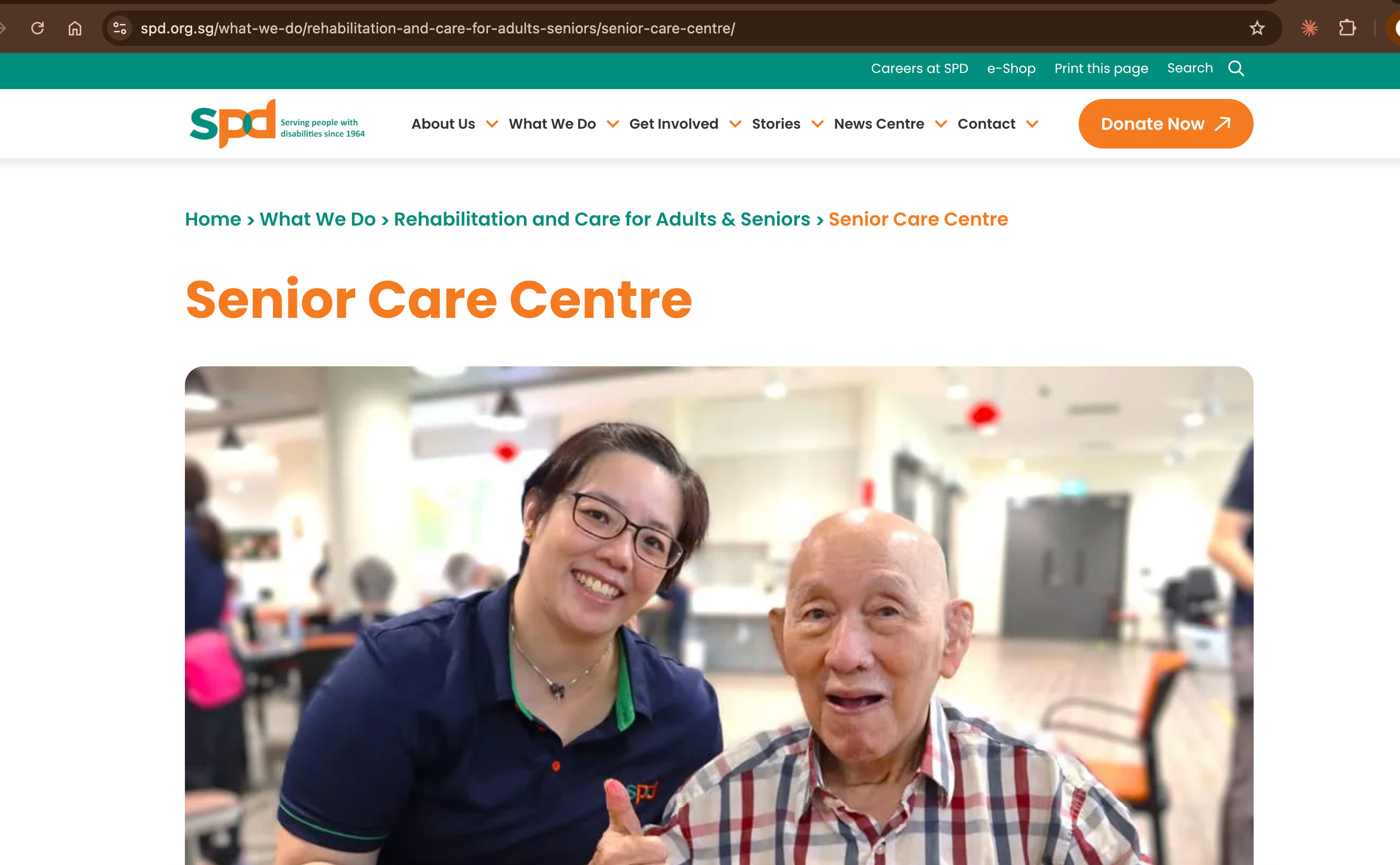
Senior care. This is probably the single biggest opportunity in the entire longevity ecosystem. It is also the hardest to build. It requires operational depth, not just branding. It requires genuine empathy for a population that is often invisible in consumer market thinking. Most people want to live well at 80 and 90. Very few companies are actually building for that reality. I include ourselves in that honest assessment.
Affordable longevity. Right now, longevity in Singapore is premium and urban. The clinics, the diagnostics, the supplements that are worth taking. All of it skews toward a specific demographic. The real long-term opportunity is making healthy aging accessible at scale. Not just optimising for people chasing 110. Building for people who want to live with dignity and function at 80.
Integrated platforms. Diagnostics, supplements, clinics, lifestyle protocols. Everything is fragmented. No one owns the full stack. The person who connects these dots in a way that actually works for a consumer will build something very significant.
Actionable diagnostics. We can measure more than ever. But the gap between a result and a protocol remains wide. What do you actually do next? That question still doesn’t have a good enough answer for most people.
#7 Singapore as a testing ground, not the end market
Here’s my honest read on where Singapore sits in the global longevity story.
It’s a great place to build and test. Fast adoption. High spending power. Educated, discerning consumers. Regulatory environment that is challenging but navigable. A government that takes aging seriously as a national priority.
But it is also a market with high churn and relatively low loyalty. Singaporeans will try something, assess it quickly, and move on if it doesn’t deliver. That keeps you honest. It also makes building a sustainable consumer brand harder than it looks.
Singapore is not the end market. It is the testing ground.
If something works here, across a sophisticated, demanding, multicultural population of six million people, it has a real shot at working in Malaysia, Hong Kong, Korea, Australia, and beyond. That’s actually why I think it’s the right place to build first.
The longevity ecosystem here is still early. Supplements won the first wave. Clinics are catching up. Diagnostics are building quietly in the background. The next wave will be about integration, affordability, and real outcomes that people can feel.
That next wave hasn’t arrived yet.
This is something new I am trying to write. Let me know if I should capture any specific area in depth, and I would love to go down and figure out the business model and consumer feedback on the space.
Next week, I will write on why we decided to manufacture in Singapore. This has been a bone of contention - well wishers as well industry experts want us to move the production to China, Korea, Batam or Malaysia. However, I am fighting back unless it becomes dire. I would explain this better. So if you are keen to know more, keep a look out for outofsg email next Sunday.
See you next Sunday
Cheers!