


Hi, I’m Shan. I run Xandro Lab, a science-first longevity brand based in Singapore. Every Sunday, I write about what I am learning. Some weeks are about products. Some are about health. Some are about marketing. Most weeks are just me trying to think clearly about something I have not fully understood yet.
This week, I spent the weekend in Melaka and came back thinking about culture. It is a word we use a lot in marketing. Every brand wants to build culture ( or be part of a culture). Brands wants to become a movement. It sounds good, but I am not sure we always understand what we mean when we say it.
Index
Melaka roots
Culture and marketing
Beyond the products
Ladder to culture
Who are we?
Identity problem
Culture for a longevity brand
Unfinished business
1. Melaka roots
When we talk about culture in a city, it feels easier to understand. Culture is the food, the buildings, the people, the way they dress, the way they speak, the way they behave, the pace of the place, the businesses that have survived, and the stories that people keep repeating. It is the feeling you get when all of these things come together.
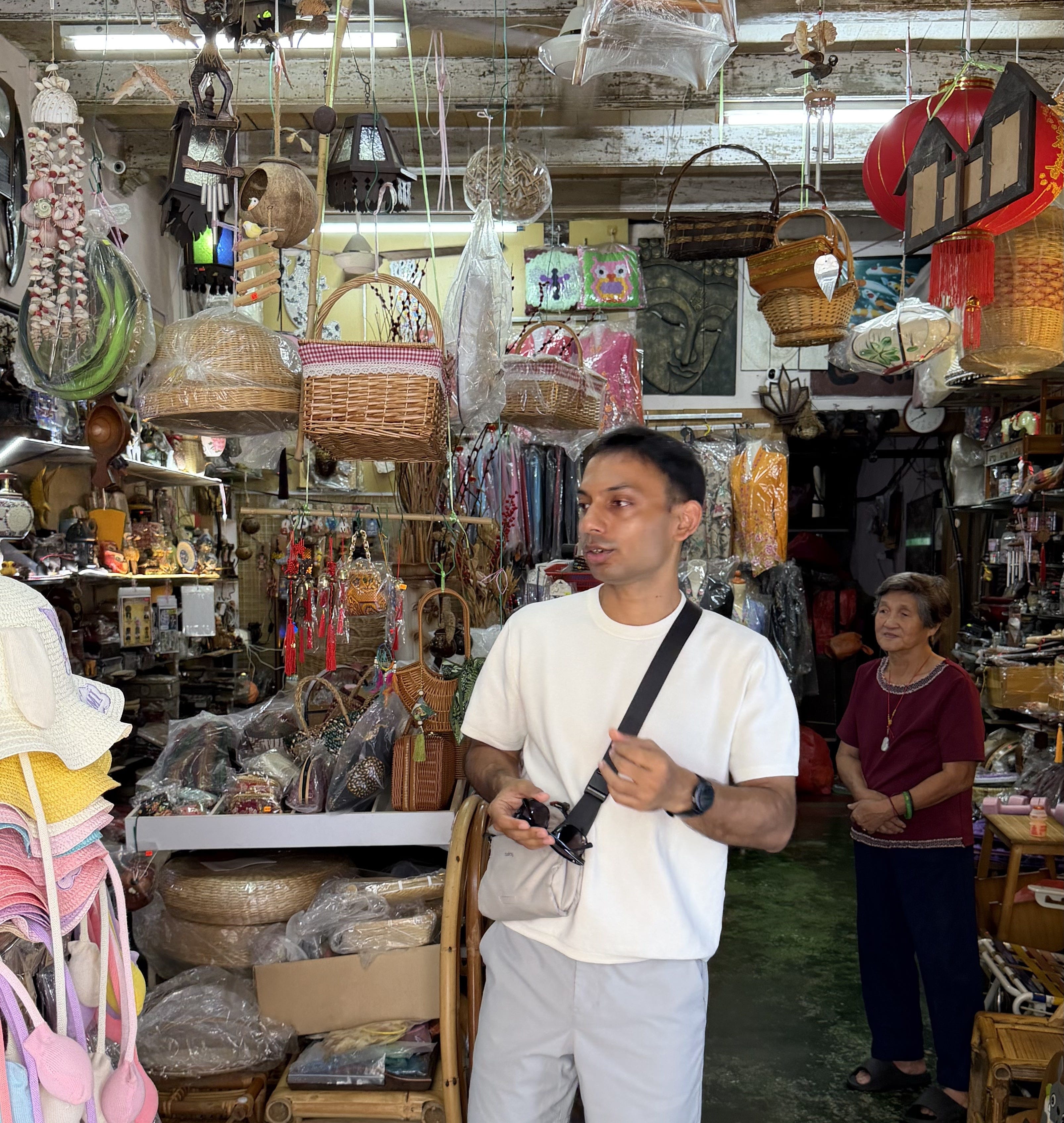
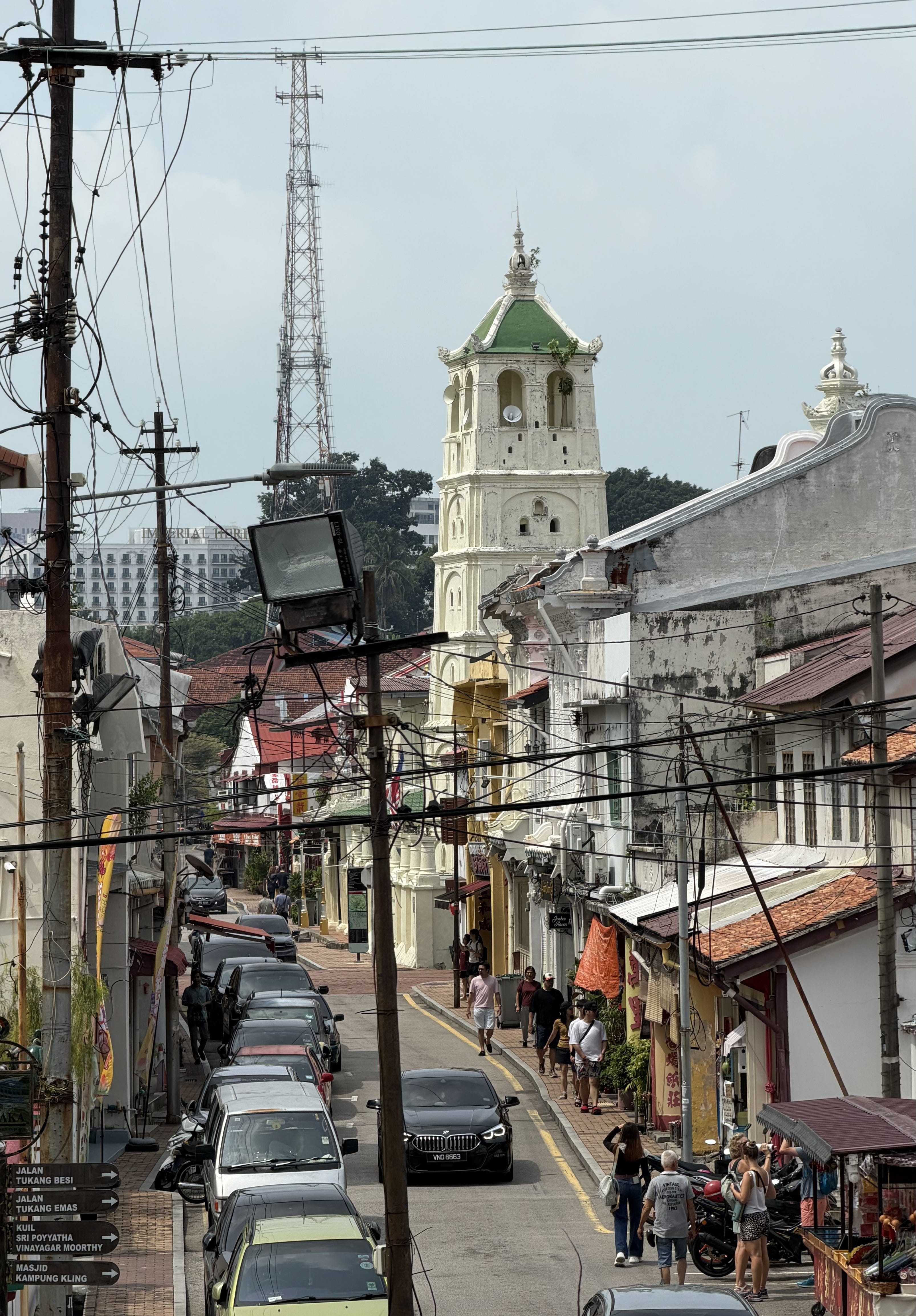
Melaka has that feeling. You see it in the old shophouses, the colours, the Peranakan food, the temples, the mosques, the cafés inside old buildings, the narrow streets, and the small shops that have been around for generations. But the more interesting part for me was not only what I could see. It was the connection between Melaka, George Town and Singapore.
I live in Singapore. I have lived here for five years now. When you go to Melaka, you realise that this part of the world has always been shaped by trade. Melaka was once one of the larger trading ports of the region. George Town became another important node. Singapore became the dominant one later. Trade moved, people moved, wealth moved, power moved, and with all of that, culture also moved.
Businesses and brands are probably similar. Relevance does not stay in one place forever. A city that was once important can become historical. A company that was once growing can become stagnant. A person who was once sharp can become outdated. You have to keep improving. You have to keep asking what the next version should be.
A city becomes interesting because of accumulation. No single building creates the culture of Melaka. No single dish does it. No single shop does it. It is the combination of all these things, repeated and preserved over time, that gives the place its character. Culture is accumulated behaviour. It is what people repeatedly do, value, preserve, copy, improve and pass on.
2. Culture and marketing
In marketing, people use the word culture very casually. It makes a brand feel larger than life. It gives them emotional weight. It makes people feel that they are working on something bigger than sales, packaging or advertising.
For a city, culture can be seen in physical form. A brand does not have streets, old shops or centuries of history in the same way. A brand has products, packaging, advertising, founder stories, customers, content, creators, events, communities, colours, design language and some reasons for existing.
Maybe a brand is also like a small city. It creates a world around itself. There is a type of person it serves. There is a language it uses. There are products that solve certain problems. There are stories about why the founders started it. There are rituals people build around the products. There are communities that form around the identity.
Over time, if enough of these things are consistent, the brand starts feeling larger than the product. That is where culture begins. It is created when people outside the brand start behaving in a way that is connected to the brand. Sometimes the brand starts it. Sometimes the customers start it. Sometimes the brand only notices it later.
3. Beyond the products
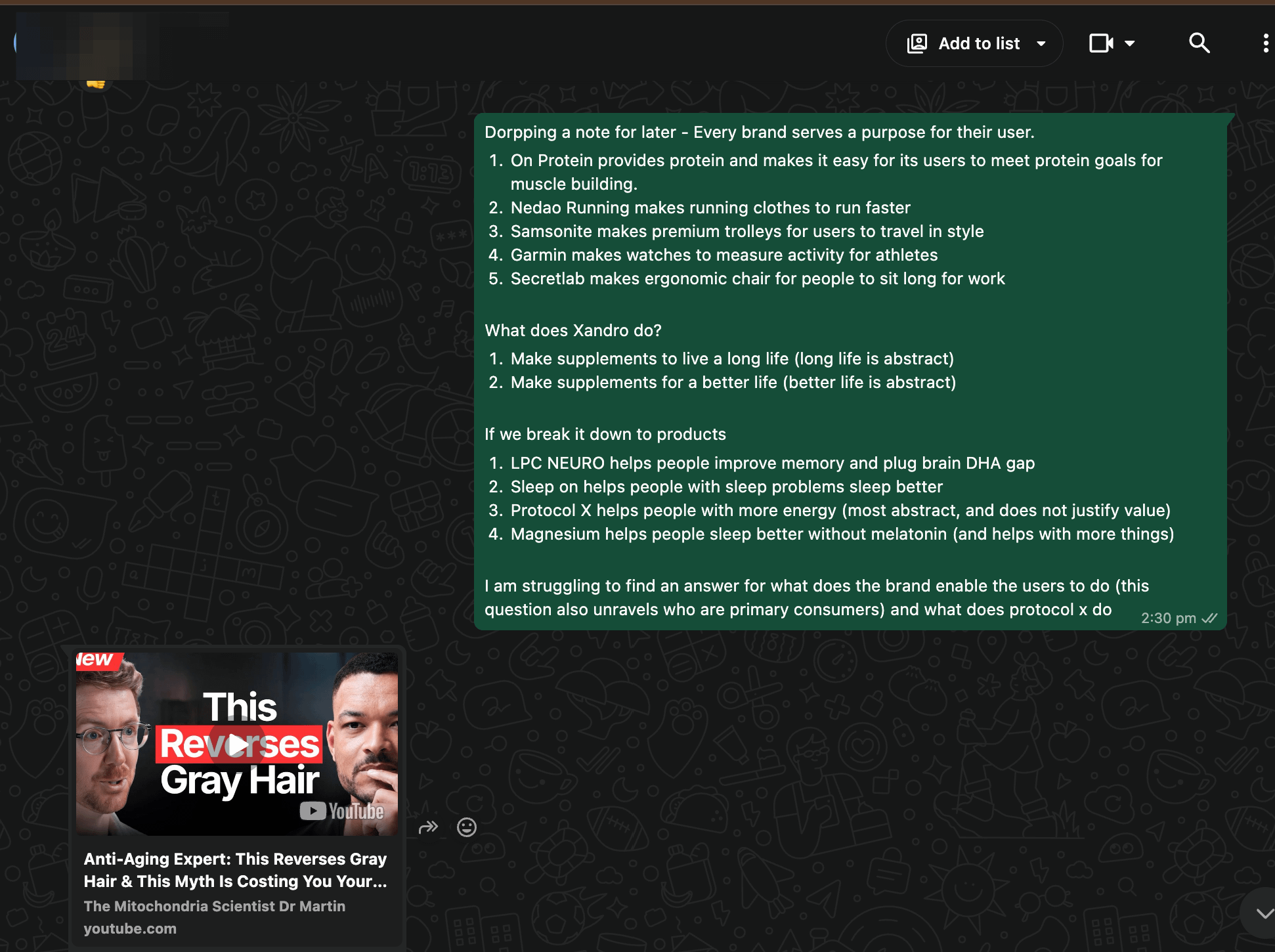
A few days ago, I was having a conversation with my marketing team. I was trying to simplify what Xandro Lab stands for. Colgate helps you keep your teeth clean. Red Bull gives you energy. Nike helps you train and perform. Decathlon helps more people access sports. These are simple ideas, and because they are simple, they are powerful.
Then I asked myself the same question for Xandro Lab. What do we do? The obvious answer is that we provide longevity solutions. That sounds correct, and it is probably what we would say in a deck. But it also sounds too broad.
So I started going product by product. Sleep On helps people sleep better. Magnesium helps with sleep and muscle function. LPC Neuro supports memory, alertness and brain health. Protocol X supports energy, recovery, nutrition and longevity. All of these are useful. All of these solve real problems. Some of these products are already successful. Some have strong repeat usage. Some have very strong science behind them.
Still, the answer felt incomplete. These are features, benefits and jobs the products perform, but they do not fully explain the culture the brand is trying to enable. A running vest carries water, but that is only the functional layer. It enables a longer run. It helps someone go further without worrying about hydration. Over time, it supports the behaviour of becoming someone who does long runs.
A carbon-plated shoe helps someone run faster and with less fatigue. I spent around $400 on a Hoka carbon-plated shoe before my first half-marathon because I wanted to run better and protect my legs. I could have run in a basic shoe, but I know it would have been much harder on my body. The job was not only to make me faster. It enabled me to participate in a culture of training, racing and trying to improve my own performance.
This is where products become interesting. A product has a function. A good product solves a problem. A strong brand reinforces behaviour. When that behaviour is repeated by enough people, the brand slowly becomes part of a culture.
4. Ladder to culture
A framework has stayed in my mind since I started thinking about this. A brand moves through these stages.
Sell a product
Solve a problem
Support a habit
Represent an identity
Build a community
Become shorthand for a culture
Most brands never move far beyond the first two stages. Selling a product is already hard. Solving a real problem is even harder. But culture starts later. It starts when the product becomes part of a person’s routine. It grows when that routine becomes part of a person’s identity. It becomes powerful when that identity is shared with other people.
Another way to look at it is this.
Product
Ritual
Habit
Identity
Community
Culture
Ritual vs Habit
A habit is something people repeat. A ritual is something people repeat with meaning. Brands become culturally important when they are not just used often, but used inside rituals people care about.
A habit is about repetition. A ritual is about repetition plus intention.
Nike did not create running. It reinforced training, performance and athletic ambition for decades. Red Bull did not create adventure, but it attached itself to energy, risk, action and extreme performance until people started associating the brand with that world. Puma did not create HYROX. HYROX was already growing as a hybrid fitness culture, but Puma entered the space, committed to it, and became visible inside that community.
ASICS has stayed relevant because people still see it as a serious running brand. It may not always look the coolest, but runners trust the shoes. New Balance has managed to stay relevant in both running and lifestyle, which is not easy. Salomon moved from mountains into running and then into fashion because the world it represented became desirable. Even people who do not climb mountains started wanting to look like they belonged to that world.
The interesting thing is that none of these brands fully own the culture. They participate in it. They support it. They give it products, symbols, language and sometimes spaces. People create the culture, and brands earn their place inside it.
5. Who are we?
In that same conversation with my team, I realised something uncomfortable. We have built successful products. These are meaningful science-led products. We have built a brand that many people in Singapore now know. We have done events, worked with creators, run livestreams, supported sports communities, tried sampling, founder-led storytelling and many things over the last three years.
But when I asked, “What identity do we represent?” I did not have a clean answer. The team did not have a clean answer either. That is probably the problem we have now reached. At some point, growth becomes less about explaining the product and more about representing an identity.
For a while, we were becoming known as a sports brand. People would take our products to sports events. Athletes, recreational runners and fitness communities would post our sachets, capsules and products around their activities. That was a form of culture. It may have been partly pushed by us because we were spending money, supporting events and placing ourselves inside those moments, but something was still happening. People were starting to associate Xandro Lab with performance, sport and active living.
That should have told us something. Culture is not always what the founder writes in a brand deck. Sometimes culture is what customers repeatedly do with your product. Sometimes the market shows you where the brand naturally fits before you are able to explain it yourself.
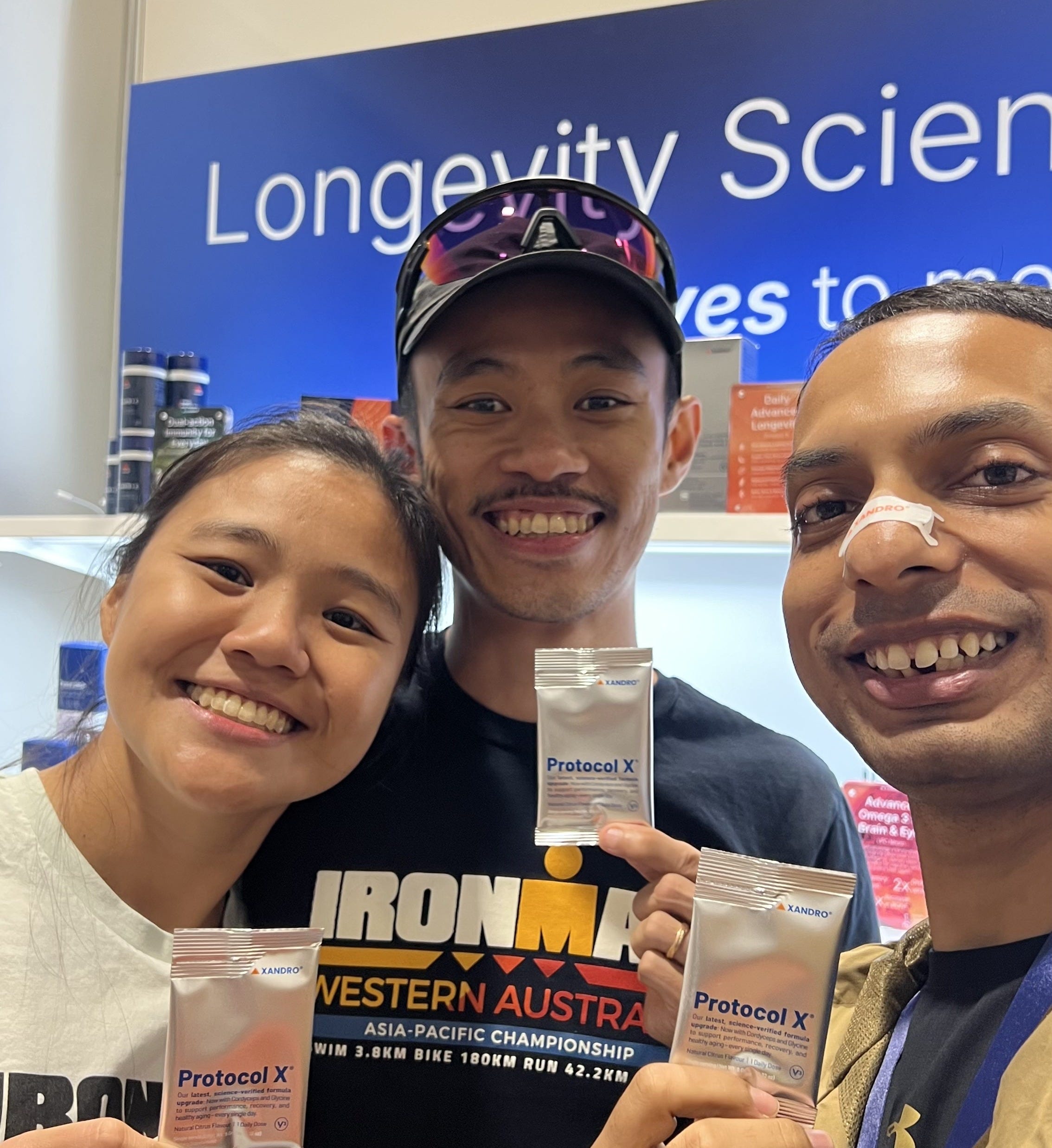
This is why I have been thinking about identity. We have successful product lines. We have technology. We have operations. We have distribution. We have repeat customers. These things matter, but they may not be enough for the next stage. If growth is becoming stagnant, perhaps the issue is not only that we need to sell harder or explain better. Perhaps the issue is that we have not yet made it clear what identity we represent.
6. Identity problem
This is where I am still confused. Some founders have very clear answers. They say they only do running, only serve mothers, only build for climbers, only create for women, only make products for one specific community. There is strength in that because focus gives clarity. People know what you stand for. Product decisions become simpler. Community becomes easier to find. Messaging becomes sharper.
At the same time, focus has a cost. A brand that only serves one specific culture may become deeply loved inside that culture, but it still needs scale. It needs enough people who care. It needs enough repeat behaviour. It needs enough commercial strength to survive. I have seen brands with sharp cultural focus, and while I admire the clarity, I also know that clarity alone does not build a large business.
Breadth creates a different problem. Xandro Lab has sleep products, longevity products, brain health products, joint support and many other things. That gives us commercial breadth, but it also creates confusion. Are we a longevity brand, a performance brand, a sports brand, a wellness brand, a supplement brand, a health brand or a science brand? All of these are partly true, and that is exactly the problem. When too many things are true, nothing becomes sharp enough.
A narrow brand can be culturally strong and commercially small (or irrelevant - though there are successful niche brands). A broad brand can be commercially strong and culturally weak. The difficult part is finding the place where both can exist. I do not have the answer yet. I also do not think there is one universal answer. Every founder eventually has to decide what they are willing to become known for, and what they are willing to ignore because of that decision.
7. Culture for a longevity brand
The hardest part is applying all of this to longevity. Running culture is visible. You can see the shoes, vests, gels, medals, running clubs, Saturday long runs, coffee after runs, Strava screenshots, race photos, injuries, jokes and shared suffering. HYROX culture is visible too. You can see the events, training videos, race photos, shoes and the identity of being a hybrid athlete.
Longevity culture is harder to see. People say wellness, and people say longevity, but both words are now used so often that sometimes they mean everything and nothing. For us, the culture cannot just be about taking a pill every day. A supplement brand cannot build real culture only around consumption. A longevity brand has to enable a way of living.
Maybe it starts with better questions. When do you eat? How do you sleep? Do you strength train? Do you recover properly? Do you know when to push and when to stop? Do you understand your blood markers? Do you know what is changing in your body as you age? Do you want to live longer, or do you want to live better?
Even in my own training, I have been thinking about this. Two weeks after my half marathon, there was a Friday session I was supposed to do, and I had already trained three days in a row. I had pain around my hips, and part of me still wanted to push through it because skipping a session always feels like a small failure. But I decided to stop.
Tiredness is information. Pain is information. The body is always speaking, and the problem is that many high-performing people are trained to ignore it. You can take something and push through. A painkiller, a stimulant, more caffeine, more motivation, more discipline. Sometimes that works for a day. Sometimes it creates an injury that pulls you out for weeks.
So maybe longevity culture is also about knowing when to stop, when to recover, when to sleep, when to train, and when to respect the signal your body is giving you. That is also performance. It is just a different kind of performance.
The world is aging. There are more people in their 40s, 50s, 60s and 70s who still want to work, travel, train, think clearly, move without pain and live with energy. Some want to retire early. Some want to keep building. Some want to run marathons. Some just want to play with their children or grandchildren without feeling broken. A longevity brand has to understand these people more deeply than simply saying, “This ingredient is good for you.”
Maybe the role of a brand like ours is to help people build rituals around sleep, food, training, recovery, testing, supplements and self-awareness. Over time, those rituals become habits. Habits become identity. Identity attracts community. Community becomes culture.
8. Unfinished business
This brings me back to Melaka. Melaka was once one of the most important trading ports in the region. Then history moved. Trade moved. The centre of gravity moved. Today, Singapore is one of those centres. But no city, company or person gets to keep relevance forever just because they were once important. Relevance has to be renewed.
At Xandro Lab, we have built products. We have solved problems. We have found customers. We have created momentum. But the next stage is harder. We have to understand what identity we represent because products can get copied, features can get copied, packaging can get copied, claims can get copied, and even science can eventually become available to more people.
The question I am asking myself now is not only what we sell. I am asking what kind of person becomes more successful because we exist. Maybe the answer is people who refuse to let age define what they can do. Maybe it is people who want to stay sharp, active and useful for much longer. Maybe it is people who want to perform today while protecting tomorrow. Maybe it is people who want to live with energy, while also respecting the body.
I do not know the answer yet. Culture cannot be created with a few influencers, a few events, a few nice videos or a good founder story. Those things help, but culture needs repeated behaviour, rituals, a point of view, time, and people who feel that the brand is for someone like them.
Until the next write-up,
Cheers!
Shan