


Hi, I’m Shan. I run Xandro Lab, a longevity science brand in Singapore. Every Sunday I write these notes, part building diary, part thinking out loud.
This week is about branding, and I’ll be honest, I came to it the wrong way around. For the first few years I made fun of it. Quality of product, fair price, be reachable, give good customer service. That was my whole idea of building a business. Branding was how you look, and looking a certain way felt like pretending.
I don’t like pretending. Humility is something I try to live by. But somewhere in the last three years I realised I can’t just reject something because it’s been done badly by others. So I tried to learn it the way I try to learn most things now. Ignore the playbook. Ask the most basic question I can. Figure out what I know is true. Build up from there.
I’m not a branding expert. This is just the order in which things made sense to me.
Today’s read
Where I started
Q1: Why isn’t [good product] enough?
Q2: How does anyone get a personality?
Q3: What do people see before they know us?
Q4: Who do we stand next to?
Q5: Where do we belong in someone’s life?
Where I started
When we launched Xandro, we had basic bottles, basic colours. I didn’t think about how the bottle should look. The question was, does it look decent? Okay, decent is fine. Are we getting the best ingredients? Yes. Then we’re good.
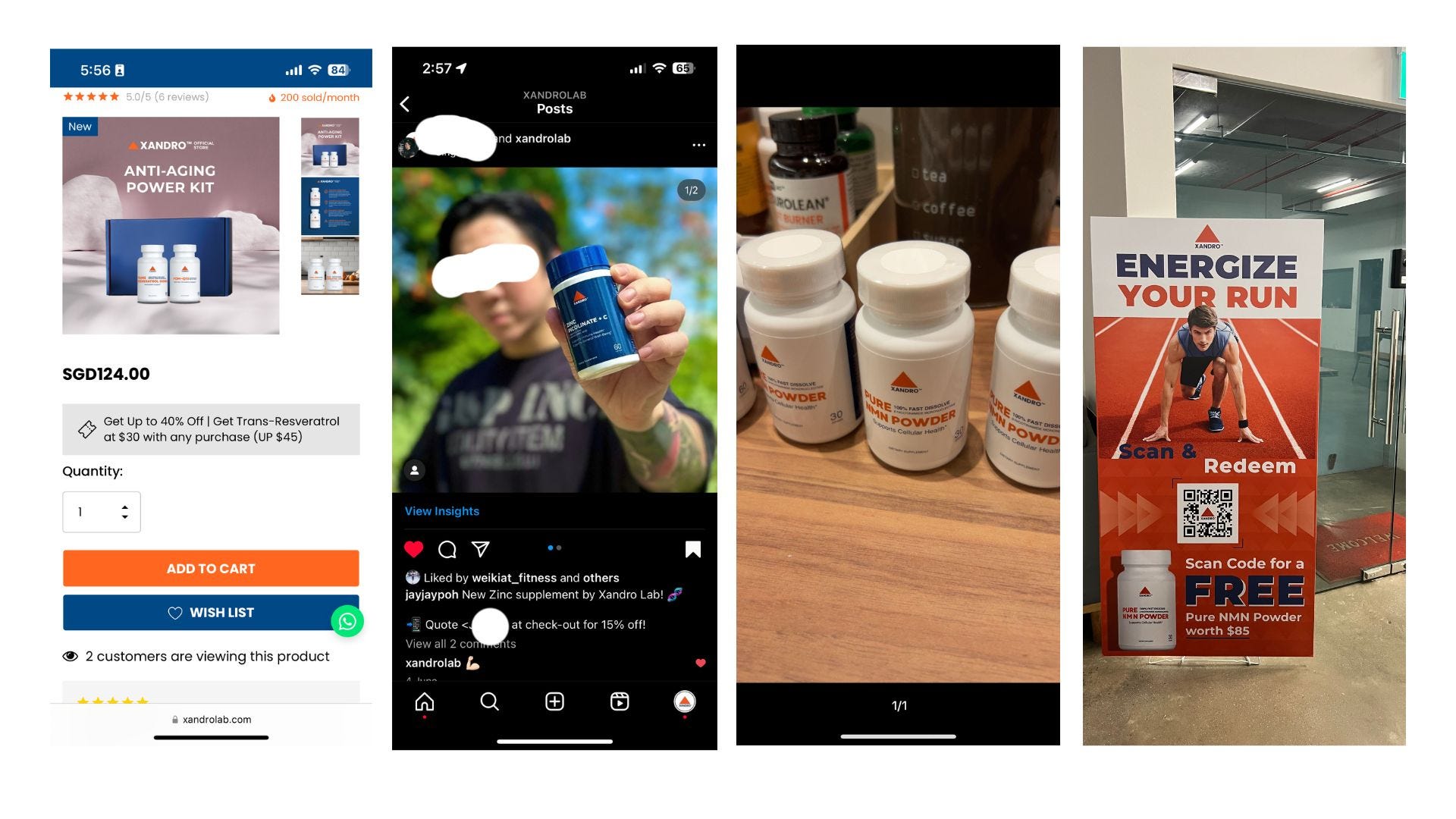
The website was the same. I made sure it was functional - products, checkout and information. Creative assets, banners, font - were not given much importance. In fact, for the first 2 years, I never paid for a professional shoot. All done in-house with employees as model.
My view was simple - Tell the benefit, show the value, that’s it. People who need the product will buy, who don’t won’t buy. That was the goal. Anything beyond that felt like what premium and luxury brands do, putting on a face. I disliked that. I still dislike a lot of it.
Q1. Why is good/great product not enough?
Over the last 3 years, I saw what happens when you only compete on quality and price.
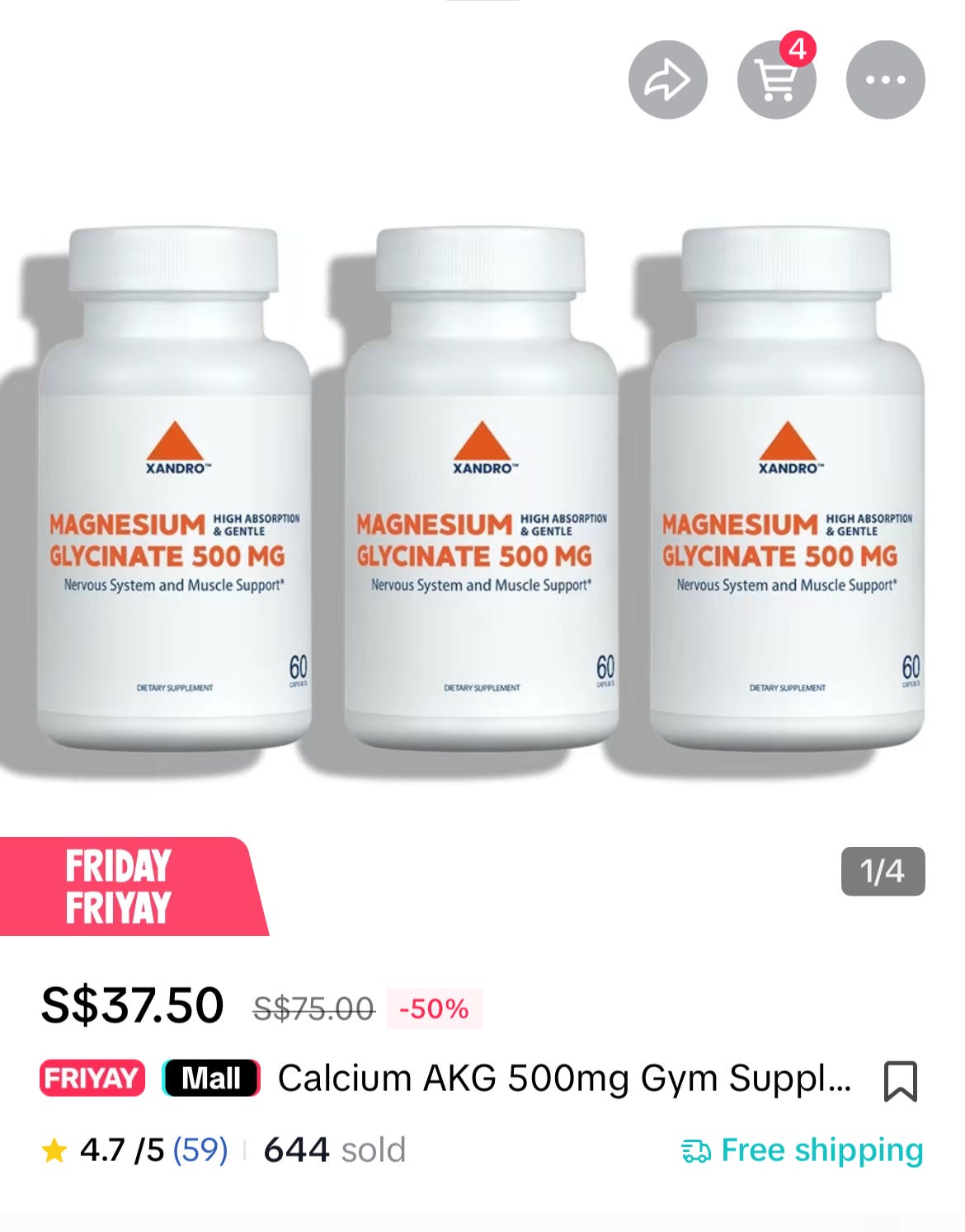
The answer is you become a commodity (if don’t have IP). Someone else makes it a bit cheaper, or a bit similar, and now you’re fighting on price. Margins get thin. I don’t want to run a low margin business. That’s a plain business fact, not a taste thing. So just having good product isn’t enough, because people have to be able to tell you apart from the rest.
Then the next question. What is it that makes people choose one thing over another when both look similar? It’s something that feels like a person. A personality.
That’s the first thing I understood. Branding takes something that isn’t alive, a company, a bottle, an idea, and gives it a personality people can relate to. It’s a bit like raising a kid to become a certain way, or designing a home to feel a certain way. Is that good or bad? I don’t know. I’m leaving that question open.
Q2. How does anyone get a personality?
I didn’t know much about brands. But I know people. So I started there.
I realised, quite late in life, that you aren’t one fixed personality. You’re one person at the office, another with your family, another with your partner, another with your best friend. How you dress, how you talk, what each group connects with you. Smart, funny, stressed, curious. Nobody calls it branding, but it’s the same thing. You show up differently for different people, and each group builds a picture of you.
Personal branding works the same way once you strip off the fancy name. It’s about who you want to attract. I know a founder in India who sells fans. The tech inside is BLDC motor, like many others. But he built credibility on LinkedIn, for himself and for the brand. People reach him there to get problems solved, they even raise escalations with him directly. He’s become reliable to the people who matter for his business. No expensive clothes needed. That’s personal branding, you live and breathe for your audience/consumers.
It also showed up in my own life, in not so comfortable ways. I wanted to be a better public speaker and handle senior leaders well. So, I did Toastmasters for about a year and a half, close to two years. Before that I was a uncomfortable speaker, with no structure. That’s why I can speak in public today.
Even then, investors and well spoken people have told me I’m too crass, too raw, too tactical. What I say needs to be gentler/eloquent. Once I went to a trade show as a CEO in a T-shirt, jeans and basic shoes, and I was told that was quite bad. How will people take you seriously if you can’t dress decently?
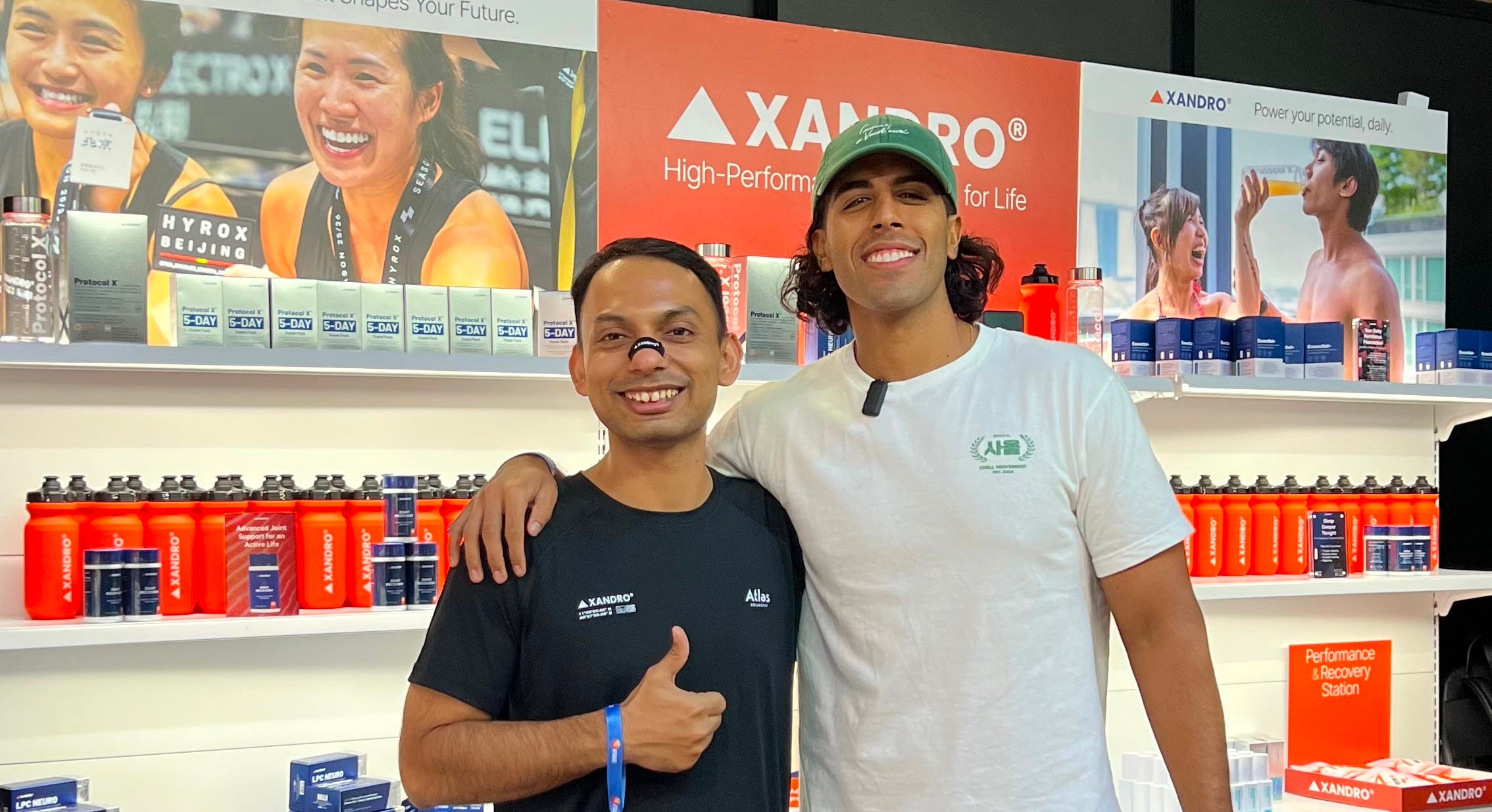
My first reaction was, do I care? This is what I can afford right now. But the point stayed with me. How you show up is part of how people decide about you. I started dressing a bit more consciously. I’m not trying to be someone else. I want to keep my directness, but I need to understand how it lands.
Q3. What do people see before they know us?
If a personality is built in someone else’s head, then the next question is simple. What do they actually have in front of them when they meet us?
The honest answer, for a long time, was basic bottles and a website built to accept payments. Meanwhile people told us our products look low quality. That’s a hard thing to hear when I know how much care and rare ingredients went in. But a stranger doesn’t know any of that. It’s like walking past a restaurant with messy photos and a messy menu. Maybe the food is great, you’ll never find out.
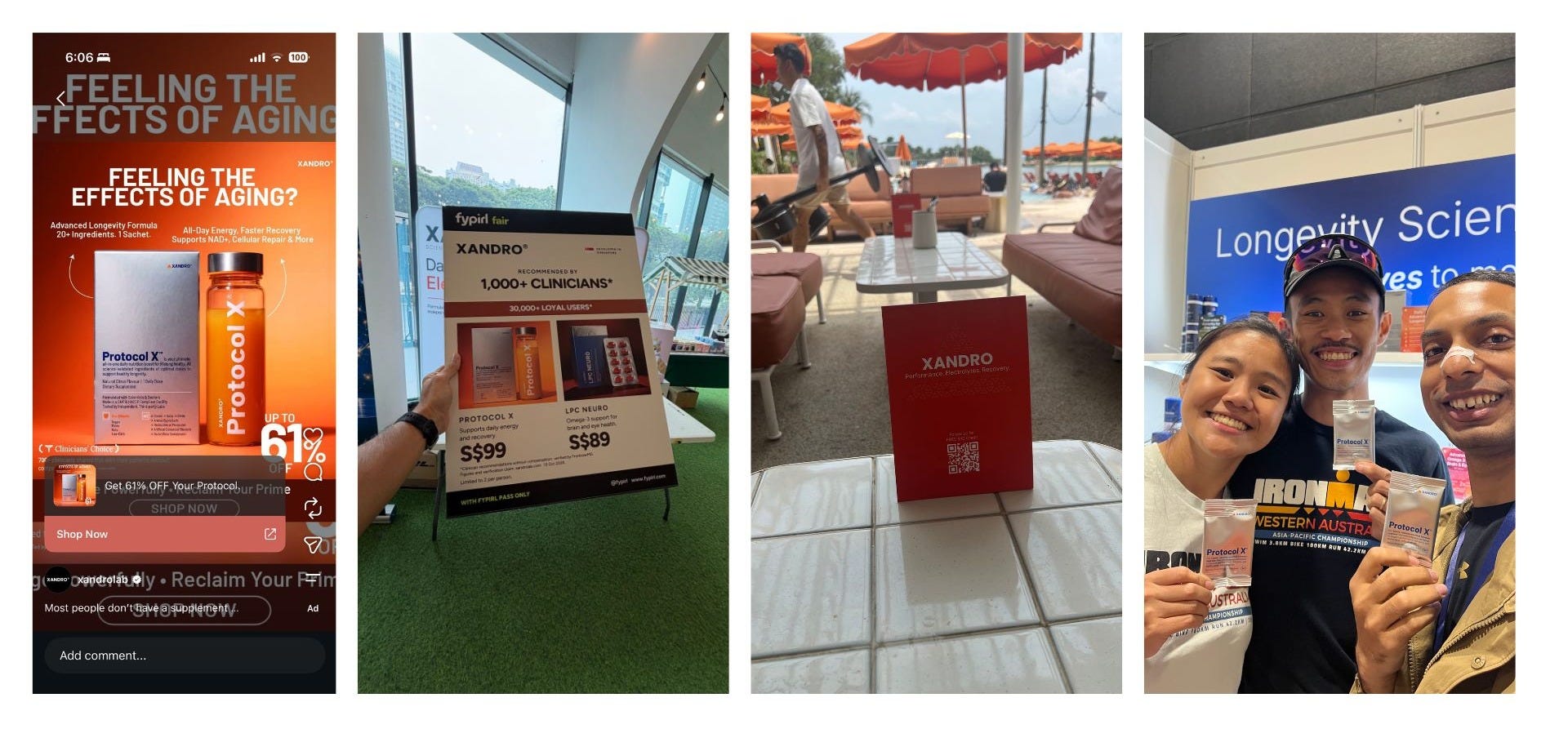
So over the years we’ve changed this. Better shoots, a better website, showing the community, the people we work with, where we go, how we think, what we believe. We try to be consistent, so that the look says quality and the words say what we stand for. We call it “elevated”, though I’m honestly still working out what that word means.
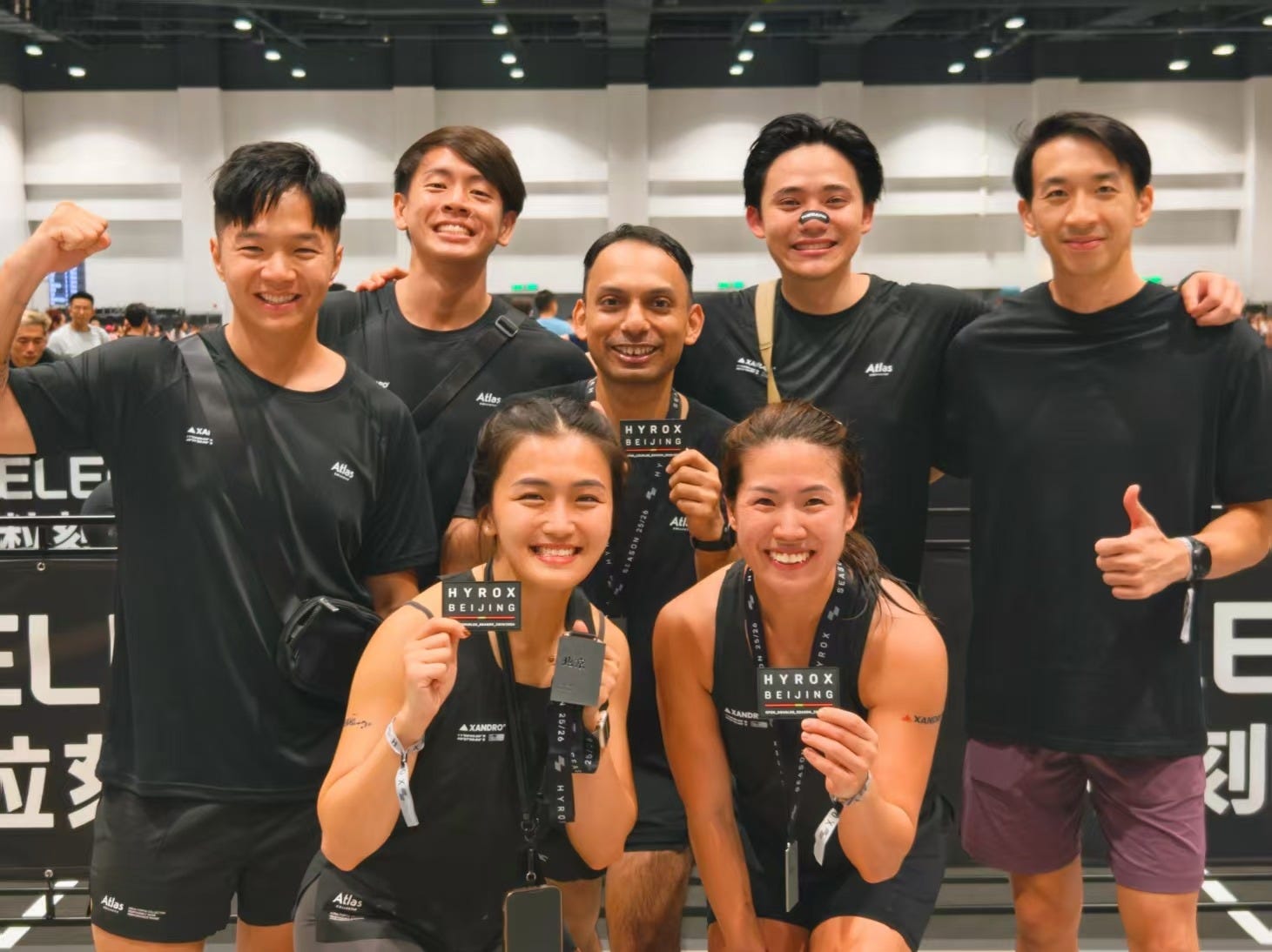
It also means doing things we say we stand for. I did a few HRYOX races, and now a Marathon next month. Partly it was personal, but I also wanted to be part of the community and understand what people there actually care about. You can’t learn that from outside the booth. We don’t just say difficult things, we do them. And I want to keep doing difficult things.
Customers are also tell us what feels unclear. People ask the difference between Unbuffered Magnesium and Pure Magnesium. Some got worried when the dose went from 500 mg to 1000 mg, because a bigger number can sound unsafe. If your paracetamol box suddenly said 1000 instead of 500, you’d stop and wonder too. People buying supplements are careful, and they should be. They’ll choose what feels clear and safe over what promises the most. If someone has to work hard to understand us, that’s on us.
Q4. Who do we stand next to?
If people build a picture of us from what they see, then they also see who is around us. So who we partner with is part of the brand too.
We used to work with almost every creator available. Send the product, hope more posts means more awareness. Then people started asking why we were working with everyone. Fair question.
Think of two friends. One recommends everything. The other recommends something only when they really mean it. You listen to the second one. Now we ask a few things. Is the content good? Are they relevant to us? Are they saying the right things? Do they care about quality the way we do? I don’t want someone holding the product near the camera and saying two lines. We started curating.
I want to be clear that curation isn’t exclusivity. Curation is paying attention and choosing people who fit. It can still be warm and open. Exclusivity is about keeping people out and building status. That’s not what I want.
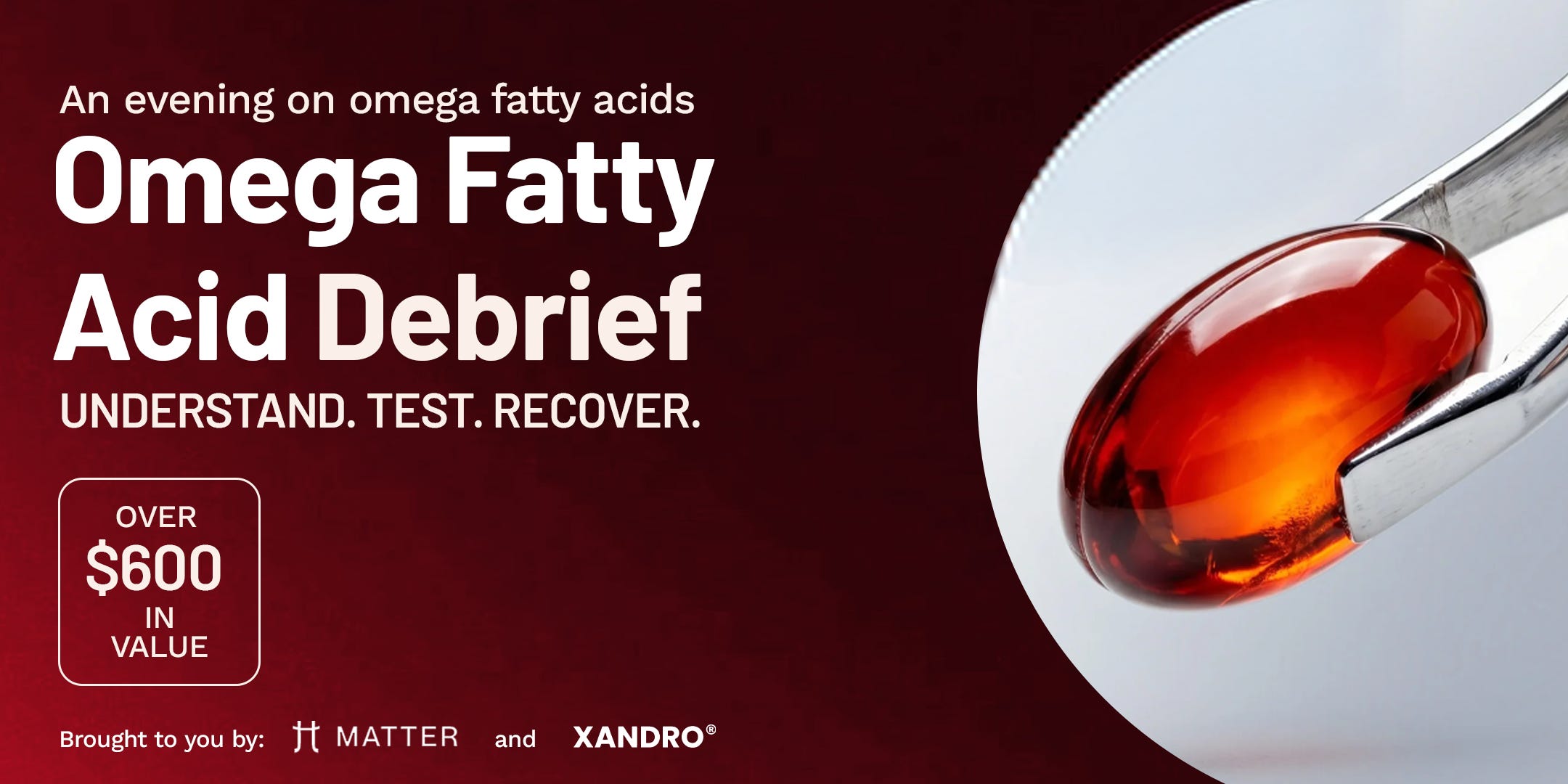
It’s the same for organisations. We’re doing our first event with a longevity clinic. It was in discussion for a few months, and it felt like the right kind of partnership. The conversations with Matter Life have opened more ideas, like workshops, speaker sessions and testing. When the partnership matches what you stand for, things open up. It wasn’t like that before.
Q5. Where do we belong in someone’s life?
This one took me the longest, and it came from events that didn’t work.
Last year we spent a lot of money on sports events. Pop-up booths, samples, standing there. And I’d come back thinking, we were present, sure. But then what? We didn’t go deeper into anything. So I decided to stop doing events and figure it out. This year we’ve hardly done any.
Then there was a woman at our Singapore Marathon booth last December. She bought from us, one of the few who did. She told me she wouldn’t come to our run events or club events. Cold baths, saunas, HIIT, that’s the younger crowd, she said. Not for her. She wanted to learn, and help people in her circle. She wanted workshops. I don’t remember her name, but I remember that conversation.
When I look back, the best event we ever did was the sleep workshop. People came because sleep was a real problem, and we offered help. Now we’re planning a fall prevention workshop.
I think about brands that found a place in ordinary life. Boroline in eastern India is the cream a family reaches for when there’s a small wound or a cracked heel. Generations have used it. Here in Singapore, a lot of families reach for Nin Jiom Pei Pa Koa when someone has a sore throat. It’s a cough syrup from Hong Kong, and the company started in 1946. The story behind the recipe goes back to the Qing dynasty, to a commander looking for something to cure his mother’s cough. He named it Nin Jiom, which means “in memory of my mother”. Even the logo is a mother and son. Everyone knows what these brands are for. They have a personality, and it’s tied to a need, not to a trend or a scene. For a longevity brand, I think the need is staying active and independent for longer. Being able to run again, lift, sleep well, not fall. That’s closer to what our customers actually want than any one workout.
Closing notes
If I put it together, this is what I believe today. Quality isn’t enough because it can be copied or undercut. A brand gives a company a personality, the way people have personalities. That personality lives in other people’s heads, built from what they see, who’s next to you, and what you do. And the best brands are tied to a real need in someone’s life, not just a look.
I’m also trying to be more qualitative. I’m a numbers person. I look at the numbers every day, that’s how I know if we’re moving. But a brand is a long game. Some things don’t show up in numbers right away. One conversation can stay with you. A customer remembers what you did. Slowly people learn what to come to you for.
I still hate pretending. I’m still wary of wearing a face that isn’t us. Maybe the real line is between pretending and choosing. I haven’t fully figured it out.
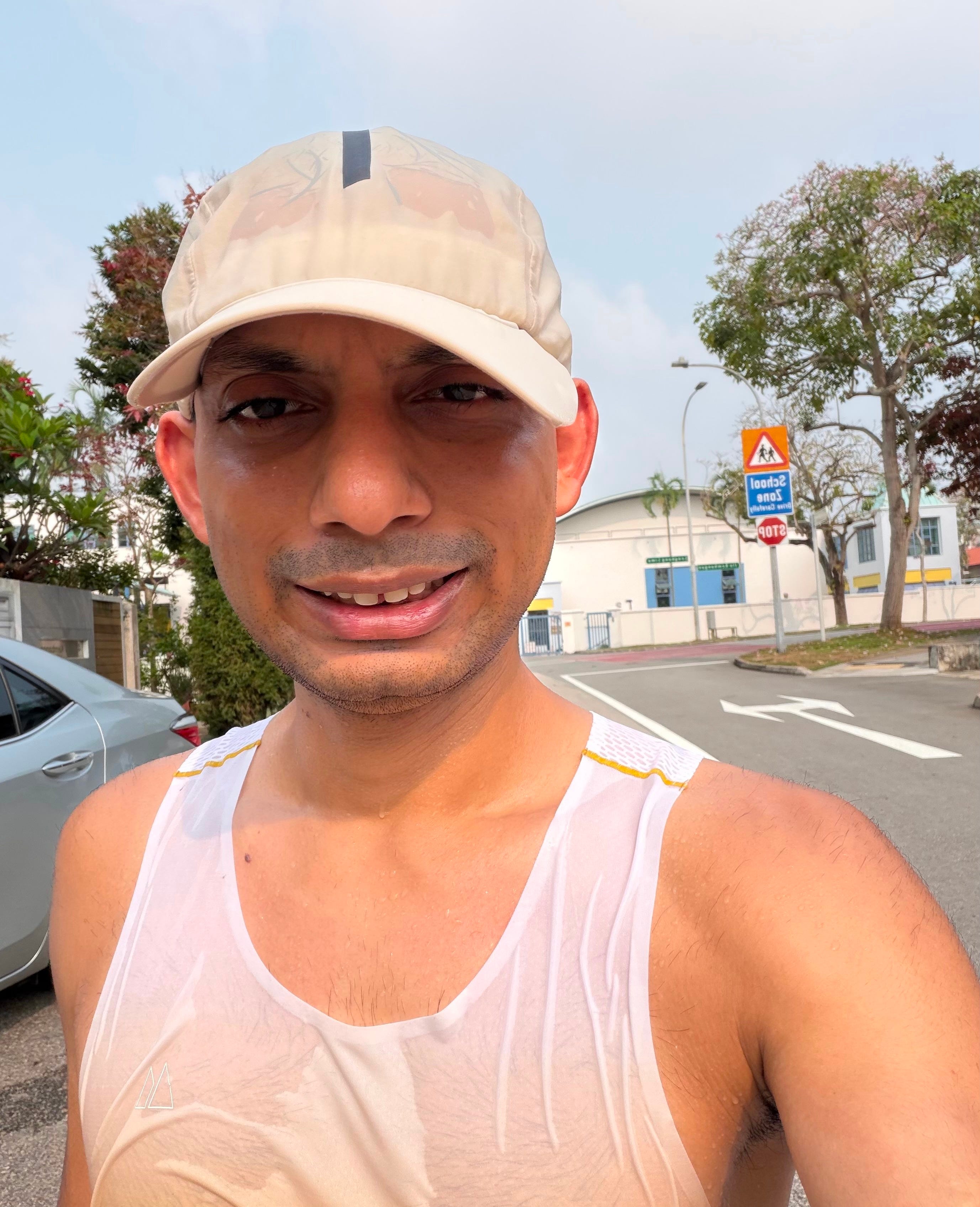
If you run something of your own, try this. Ask someone who just met you what they think you are, before you tell them. Then see how far it is from what you believe. For us, that gap was a customer saying our products looked cheap.
P.S - Branding is an important aspect of business we are building. I am expecting to write more on this in coming months.
See you next Sunday,
Shan